
Sports Events in Thailand: Types, Planning and What to Know
Learn what counts as a sports event in Thailand, explore events audiences can attend, and check schedules, tickets, transport and venue details before you go.

A sports event is an organised occasion built around a sporting contest, demonstration or participation activity. In Thailand, that can mean a professional match, a local tournament, a road race or a community sports day. Events differ in scale and access, so check the organiser’s latest schedule, venue, ticket rules and travel guidance before setting out.
Audiences can choose between spectator events, such as football and combat-sport bouts, and participatory activities, including running and cycling events. Some are staged in dedicated venues; others use public roads, parks or temporary sites. The format affects what you can watch, where you can stand and how you should plan your journey.
For organisers, clear online event details help attendees confirm essential information before travelling. Publish the event date, venue, access arrangements, ticket process and contact details together, then update them promptly if plans change. The sections below explain event types, reliable information sources and the practical checks that can prevent avoidable surprises.
- A sports event is an organised competition, demonstration or participation activity.
- Thailand offers spectator matches, races, tournaments and community sports days.
- Confirm dates, times, tickets and access with the organiser’s latest information.
- Plan transport, venue entry and weather contingencies before setting out.
What counts as a sports event?
Competition and organised activity
A sports event is a scheduled gathering organised around a sporting activity, whether people compete, perform or take part. It may involve professional athletes, school teams, amateur clubs or members of the public. A match, race, tournament and coached participation day can all qualify when there is a defined programme and event arrangement.
The presence of an audience is not essential: a community run can be a sports event even when participants are the main attendees. By contrast, an informal game among friends usually has no organiser, published schedule or public access arrangements. Those practical features help distinguish an organised event from everyday recreation.
Scale alone does not define the category. A national competition and a neighbourhood football tournament can both be sports events, although their venues, entry rules and crowd arrangements may differ greatly. For visitors, the useful question is what the event includes: competition, demonstrations, participation, or a combination of these.
Organisers, venues and access
An organiser is the person or group responsible for arranging the programme and communicating event details. This might be a sports association, school, local club, venue operator or event company. Knowing who is responsible gives attendees a clear place to verify changes, ask about access and check whether public entry is permitted.
The venue can be permanent, such as a stadium or indoor arena, or temporary, such as a marked route through public streets. That distinction matters because road events may affect traffic and require participants to follow a set course. A venue’s normal opening rules may also differ from the arrangements for a special event.
Not every event advertised publicly is open to walk-in spectators. Some require advance registration, an invitation or a ticket, while others offer free viewing from designated areas. Check the event’s access terms rather than assuming that a public listing means entry is unrestricted, and look for age or participant eligibility rules where relevant.
Which kinds of sports events can audiences attend?

Matches, races and tournaments
Spectator events in Thailand range from team matches to individual competitions, with the programme and viewing experience shaped by the sport. Football matches, for example, take place in stadium settings, while running and cycling races may follow routes through city streets or countryside. Tournament formats can bring several contests together at one venue.
- Assuming the listed start time means venue doors open; check both timings.
- Treating a race route like a fixed-seat venue; confirm viewing points and road access.
- Expecting every tournament session to use the same ticket; check entry terms for each day.
Combat sports and court sports offer other kinds of live competition, often with spectators seated around a central playing area. Check whether the listing describes a single bout, a full card or a tournament schedule, since those formats affect how long an event lasts. The advertised start time may refer to doors opening or the first contest.
Some events combine sport with ceremonies, demonstrations or related public activities. Those additions can make the day more than a single match, but they may also require separate entry arrangements or take place in another area. Read the programme for timings and locations rather than relying on a headline that names only the main competition.
- Stadium matches and league fixtures
- Running and cycling races
- Combat-sport cards and tournaments
- School, club and community competitions
Participation and community days
Participation events invite attendees to take part rather than simply watch. Examples include organised fun runs, cycling rides, amateur tournaments and open sports days. Registration can be required even when spectators are welcome, so distinguish participant sign-up from audience entry when reviewing the organiser’s information.
Community events may be organised by local clubs, schools or public bodies and can introduce visitors to sports played across Thailand. The programme might include demonstrations, beginner activities or matches between local teams. Check whether equipment is supplied, whether activities have age limits and whether you need to arrive before a registration deadline.
These events can use parks, school grounds or shared public spaces, so facilities may be simpler than at a major stadium. Look for details about toilets, water, shade, accessible routes and meeting points, especially if you plan to participate. If the organiser has not posted those details, contact them before making a long journey.
How to find reliable event information
Check primary organiser updates
Start with the event organiser or venue’s own announcement, then compare its details with any ticketing or registration page. Primary sources are the best place to confirm dates, times, entry conditions and changes. If two listings disagree, treat the organiser’s latest direct update as the one to verify before you travel.
Check when the information was posted and whether it refers to the current edition of the event. Older pages can remain visible after a schedule or venue changes, particularly when an event recurs. Look for a current programme, a recent notice or a contact channel that can confirm the details you need.
Organisers can make information easier to find by putting the date, venue, access terms and update contact in one clearly labelled place. State whether a time means doors open or competition begins, and keep ticket and transport guidance current. If details change, publish the correction where attendees are already likely to look.
| Source | Best for | Check carefully |
|---|---|---|
| Organiser announcement | Current schedule and changes | Post date and event edition |
| Venue information | Entrances and site access | Event-specific arrangements |
| Ticketing or registration page | Entry and purchase conditions | Session and ticket validity |
| Event calendar or news listing | Discovering events | Confirm details with organiser |
Compare listings and practical details
A calendar, news report or ticketing platform can help you discover an event, but use it as a starting point rather than the final authority. Confirm the listing against the organiser’s current announcement, especially if the event is close or involves a road route. This simple cross-check can catch outdated venues and changed start times.
Check that the event name, date, venue and ticket conditions match across the sources you consult. A listing that gives only a city or sports venue may not identify the correct entrance or session. Use the organiser’s contact details to resolve missing information instead of guessing from a map or an old post.
The comparison below shows what different information sources are best suited to confirm. An organiser’s announcement usually carries the event’s definitive updates, while a venue page can clarify site access and a ticketing page can explain purchase or entry conditions. Keep the source and the detail you need matched.
Before leaving, confirm the event date, the time you should arrive and whether your ticket or registration is valid for the session you plan to attend.
What to check before travelling to a venue

Timing, tickets and venue access
Before leaving, confirm the event date, the time you should arrive and whether your ticket or registration is valid for the session you plan to attend. Check whether entry is timed, whether a ticket must be shown digitally or in print, and whether the organiser has listed any restrictions. Save the relevant confirmation where you can retrieve it.
- Verify the latest schedule with the organiser before setting out.
- Check the exact entrance and event-specific access rules.
- For road events, confirm route access and travel arrangements.
Use the venue’s exact name and address, not just the district or city, when planning your route. Large sites can have separate gates, drop-off points and public entrances, while temporary events may use a designated meeting point. Check the organiser’s map or directions and allow for any stated security or check-in process.
Entry rules can affect what you bring and how quickly you get inside. Read any guidance on bags, food, cameras, permitted items and accessibility arrangements before departure. If the published rules do not answer a specific need, ask the venue or organiser directly rather than relying on assumptions based on a different event.
- Confirm the date, session and arrival time
- Check ticket, registration and entry requirements
- Use the exact venue entrance or meeting point
- Review rules for bags and permitted items
Transport, weather and contingencies
Plan how you will reach the venue and how you will leave after the event, especially when a large crowd is expected. Check public transport information, parking arrangements and any event-related road closures through current official updates. For races or street festivals, access may differ from the usual route even when nearby roads remain open.
Thailand’s weather can affect outdoor events and journeys, so check the forecast and any organiser notices before departure. Bring suitable protection for sun or rain when allowed, and identify covered areas or indoor alternatives if the venue provides them. Follow official instructions if conditions lead to a schedule change, delay or cancellation.
Keep a practical fallback plan for transport disruption, a delayed programme or a venue change. Save the organiser’s contact details and current event notice, and agree on a meeting point if travelling with others. If information is unclear on the day, seek confirmation from venue staff or official event channels before changing plans.
How organisers make event listings discoverable
Build a complete event page
Put the practical facts on one official page that audiences can reach without logging in. State the sport, event name, date, start time, venue and ticket arrangements near the top, then explain any age limits or entry conditions. A clear page reduces uncertainty when someone compares events or shares details with friends.
Use the same event name, date and venue wording across the organiser’s website, ticket page and social accounts. If a match time changes, update each channel promptly and make the change visible rather than leaving old information in place. Conflicting details can send spectators to the wrong venue or cause them to miss the start.
Organisers who want event details to appear clearly in search results may find Local Seo Services relevant to improving their website and content. Keep the page title and main heading specific, such as naming the sport, city and event, instead of relying on vague wording. Include useful details in text, not only in a poster image.
Keep information current
Assign one person to check event information whenever a schedule, ticket arrangement or venue detail changes. That person should update the official page first, then check ticketing and social channels for matching information. A simple update routine helps prevent an outdated post from continuing to circulate after a change.
Make key details easy to scan on a phone, since many people check plans while travelling. Use short labels for gates, admission, accessibility and contact information, and avoid burying changes in long paragraphs. If an event is postponed or cancelled, put that notice near the top and state what spectators should do next.
Before publishing, test the page as a first-time visitor would. Check that the date is unambiguous, the map points to the correct entrance and any ticket button opens the intended service. Ask someone unfamiliar with the event to find the start time and travel details; difficulty finding either is a sign to revise the page.
How local venues reach nearby audiences
Make venue details consistent
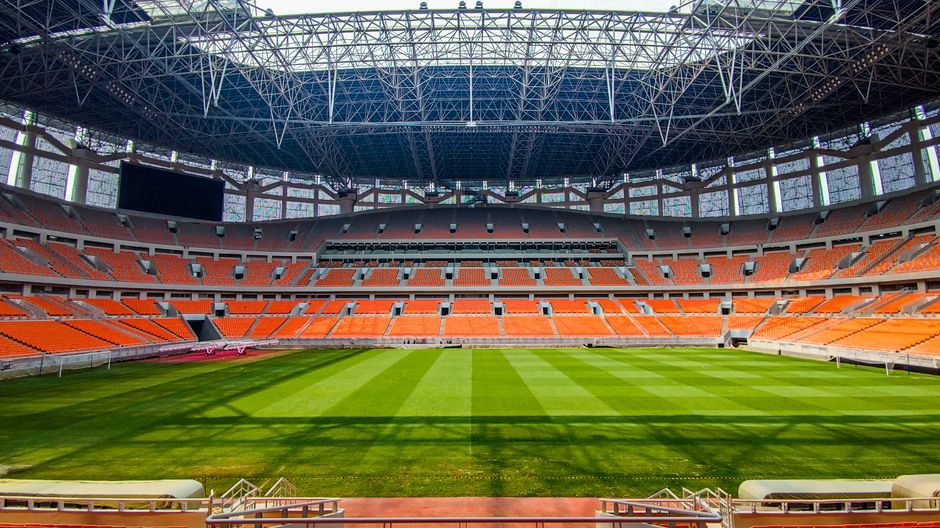
A venue serving a local audience should publish its correct address, entrance details and contact method wherever people look for it. Use one consistent venue name and address on the event page, ticket information and business listings. This helps visitors distinguish the event site from similarly named places and plan a route with fewer surprises.
- Confirm the venue’s official name and full address.
- Check the event entrance and map pin.
- Publish transport and access details.
- Review all listings after any change.
Explain which entrance spectators should use and whether a map pin marks that entrance or the venue’s general location. For a large stadium or complex, mention the relevant gate, building or meeting point. Venues and event businesses serving a particular area may use Seo Services to keep their location pages and business listings accurate.
State practical access information in plain language, including public transport options, parking arrangements and any known restrictions. Do not imply that parking or step-free access is available unless the venue has confirmed it for that event. If details vary by fixture, make the event-specific information more prominent than general venue guidance.
Use trusted local channels
Reach nearby spectators through channels they already use, such as the venue’s own website, local sports clubs and community noticeboards. Ask partners to share the same official event page rather than creating separate versions of the details. One reliable destination makes it easier for people to confirm information before setting out.
Choose outreach that suits the event and its likely audience. A youth tournament may benefit from information shared through participating clubs, while a public race can use local community groups and venue channels. Keep messages factual and include the date, location and official source, so a short announcement still helps readers act.
Monitor questions and correct recurring misunderstandings in the main event information. If several people ask about parking or ticket collection, add a clear answer to the official page instead of replying separately each time. Do not publish personal details in response to public queries; direct people to a suitable contact channel for individual cases.
How regional organisers build an audience
Coordinate regional promotion
Regional organisers can reach people across several towns by giving clubs, venues and local partners one accurate event announcement to share. Include the host location, competition format, dates and spectator arrangements, then link every channel to the same official page. This prevents different communities from circulating incomplete or conflicting versions.
For organisers based in Leicester and Leicestershire, Leicester Seo Services offers region-specific support for reaching local audiences. For events in Thailand, the equivalent practical priority is to make the host city and venue unmistakable in every announcement. People deciding whether to travel need to know where the event takes place before they can assess the journey.
Plan the promotion around the information audiences need at each stage. Early notices can establish the date and location, while later updates can clarify schedules, entry arrangements and transport. Ask partner organisations to check the details before sharing, and give them a contact person who can confirm changes quickly.
Explain travel across towns
Tell potential spectators what they need to know to travel from outside the host town, without assuming everyone knows the area. Identify the nearest useful transport points and the venue entrance, and explain whether travel information is confirmed or subject to change. Clear guidance helps people judge the journey before committing to attend.
If schedules vary by competition day, publish a separate timetable or clearly labelled daily details. Show when doors open as well as when play begins, since spectators may need time for entry and seating. When an event spans several venues, explain which activity takes place at each one and how far apart the sites are.
Use the same time format and location names across all material, and say which time zone applies if the event information reaches an international audience. Provide a contact route for travel questions that cannot be answered on the page. Review transport notices close to the event, particularly if organisers have received updated information from local providers.
How to avoid common event-day problems

Prepare for changed plans
Check the official event page and the organiser’s latest announcements before leaving, especially when weather or scheduling could affect outdoor sport. Confirm the venue, start time and entry arrangements on the day rather than relying on an old saved post. If information conflicts, contact the organiser through its published channel before travelling.
- ☐ Recheck the official start time and venue.
- ☐ Save your ticket and entry instructions.
- ☐ Confirm the correct gate and travel route.
- ☐ Review event-specific bag and access rules.
Keep a record of the ticket or booking confirmation and know how the venue handles entry problems. Check whether tickets are digital or printed, whether identification is required and what to do if a ticket cannot be displayed. Do not assume a screenshot, transfer or resale is accepted unless the event’s own terms say so.
Allow time for the route from the transport stop or parking area to the correct gate. Check whether bags, food, cameras or other items are restricted, since venue rules can differ between events. If you need an accommodation or have a specific access question, ask the venue in advance and confirm the arrangement for that event.
Know what to do onsite
On arrival, follow signs and staff directions rather than assuming the nearest entrance is open to all ticket holders. Keep your ticket available until you have passed the entry checks, and move aside if you need time to find it. For an unfamiliar venue, identify the information point or a staffed entrance before the crowd builds.
Agree on a simple meeting place with companions in case phones lose signal or people are separated. Choose a visible public landmark inside or outside the venue, not a location that may be closed during the event. For children or anyone needing support, make sure they know which staff member or information point to approach.
If the schedule changes, rely on announcements from the organiser or venue and check the official channel for follow-up instructions. Avoid spreading unconfirmed posts about cancellations or access restrictions, since they can misdirect other spectators. Report urgent safety concerns to venue staff or emergency personnel rather than trying to manage a crowd yourself.
Frequently asked questions
Are training sessions and community tournaments sports events?They can be, if they are organised around a sporting activity and have a defined time and place. A public training session, club tournament or school competition may count even if it is small and has no ticket sales. For spectators, the practical question is whether the organiser welcomes an audience and has published clear access arrangements.
Where should I confirm a match time on event day?Start with the organiser’s official event page or verified announcement channel, then check any ticketing information for notices. If those sources disagree, contact the organiser or venue using a published phone number or message channel before travelling. Avoid relying on reposts that do not identify their source, particularly when weather or competition schedules could affect the event.
What should I check when an event uses several venues?Confirm the address and activity for each venue, not just the event’s general host location. Check whether your ticket covers all sites, how spectators move between them and whether schedules overlap. Look for separate gate or transport instructions, and allow enough time to travel between venues if you plan to attend more than one part of the programme.
How can I tell whether spectators are welcome?Look for an explicit statement about public attendance, ticketing or admission on the event’s official page. Some competitions are limited to participants, invited guests or accredited media, even when details appear online. If the page is unclear, ask the organiser before making travel plans, and check whether access requires advance registration or follows venue-specific entry rules.
Plan around confirmed details
A sports event can range from a local club fixture to a major competition, but attending one depends on the same basics: a confirmed date, a precise venue, clear admission information and reliable updates. Organisers make that easier by keeping one complete event page current and sharing consistent details through venues, clubs and local partners. Spectators can reduce last-minute problems by checking official information before setting out.
Before choosing an event, find its official listing and verify the start time, address, entrance, ticket conditions and travel arrangements. Save the latest instructions, then check again on event day in case plans have changed. If you organise an event, ask someone unfamiliar with it to find those same details on a phone; use their feedback to make missing or confusing information easier to spot.
Add Thailand News as a preferred source on Google


