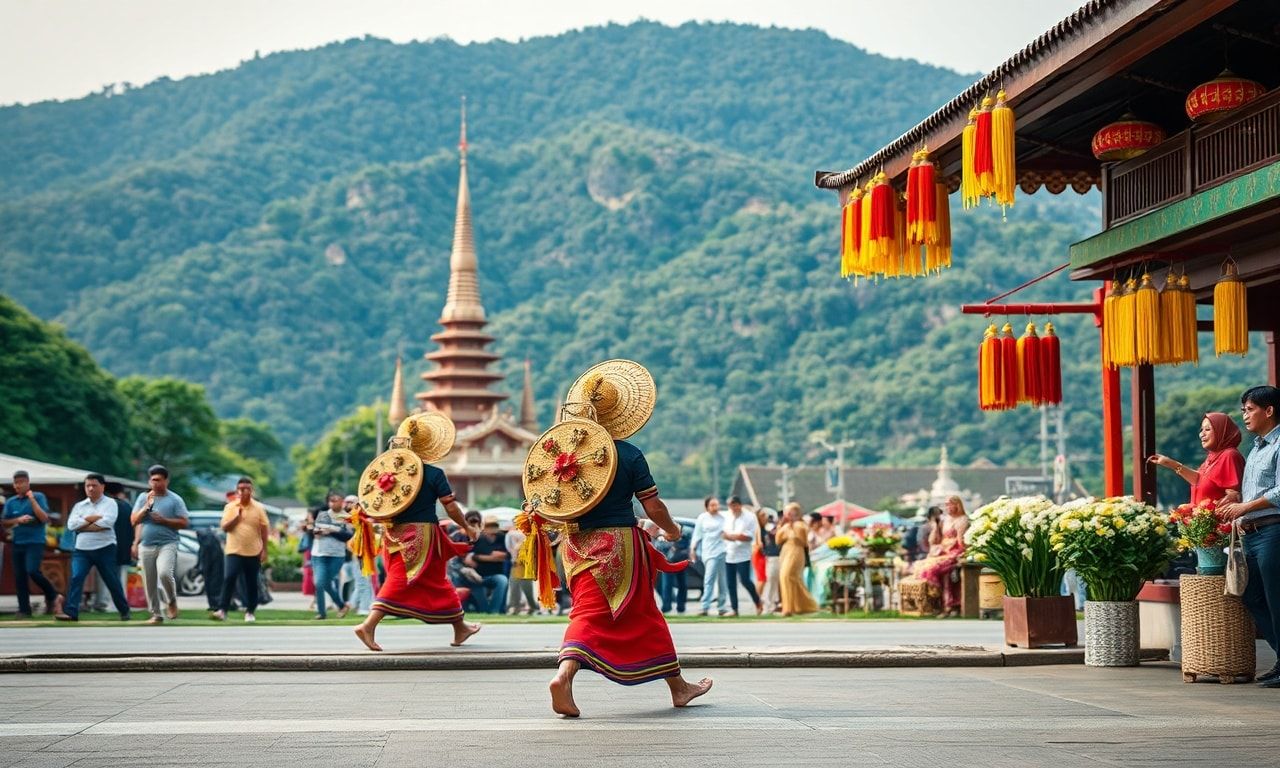
The Rich Cultural Heritage of Thailand
Thailand, a land of smiles and vibrant traditions, boasts a rich cultural heritage that is celebrated through a myriad of festivals and events. From ancient rituals to modern celebrations, the country’s cultural tapestry is woven with threads of diversity and unity. This article explores the significance of Thailand’s traditional festivals and how they coexist with contemporary celebrations, reflecting the nation’s dynamic cultural landscape.
Songkran: The Thai New Year Festival
One of the most renowned festivals in Thailand is Songkran, the Thai New Year celebration that takes place in April. This festival is not just a time for joy and merriment but also a period for spiritual reflection and renewal. The festivities include water splashing, which symbolizes purification and the washing away of sins. Songkran is a time when families come together, visit temples, and pay respect to elders, making it a deeply meaningful cultural experience.
Loy Krathong: The Festival of Lights
Another significant festival is Loy Krathong, celebrated on the full moon night of the twelfth lunar month. During this festival, Thais release beautifully decorated krathongs (floating baskets) onto rivers, canals, and lakes. This act is believed to pay respect to the water goddess and seek forgiveness for past transgressions. The sight of thousands of krathongs illuminated with candles and flowers is a breathtaking spectacle that captures the essence of Thai spirituality and artistry.
Modern Celebrations: Blending Tradition with Contemporary Culture
While traditional festivals remain a cornerstone of Thai culture, modern celebrations have also found their place in the cultural calendar. Events like the Bangkok International Film Festival and the Thai Fashion Week showcase the country’s contemporary arts and fashion scene. These modern celebrations often incorporate traditional elements, creating a unique blend of old and new. For instance, fashion shows might feature traditional Thai textiles and designs, offering a fresh take on cultural heritage.
For those interested in fashion, understanding the nuances of traditional Thai attire can be enlightening. Websites like conseils pour choisir une robe offer insights into selecting traditional garments, highlighting the intricate designs and cultural significance behind each piece.
The Role of Festivals in Promoting Cultural Unity
Festivals play a crucial role in promoting cultural unity and national identity. They provide a platform for people from different backgrounds to come together and celebrate their shared heritage. In Thailand, festivals are not just local events but national celebrations that bring the country together. The government and various organizations actively promote these festivals to preserve cultural traditions and foster a sense of national pride.
Challenges and Preservation Efforts
Despite the rich cultural heritage, Thailand faces challenges in preserving its traditional festivals. Urbanization, globalization, and changing lifestyles pose threats to the continuity of these age-old celebrations. However, efforts are being made to preserve and promote these festivals. Educational programs, cultural workshops, and media campaigns are some of the initiatives aimed at keeping traditional festivals alive and relevant in the modern world.
In conclusion, Thailand’s cultural tapestry is a vibrant blend of traditional festivals and modern celebrations. These events not only showcase the country’s rich heritage but also promote cultural unity and national identity. As Thailand continues to evolve, the preservation and promotion of its cultural traditions remain a priority, ensuring that future generations can continue to celebrate and cherish these timeless celebrations.
As the seasons change, so do our wardrobes; discover how to blend style with sustainability this autumn in our latest feature, embracing autumn fashion trends.