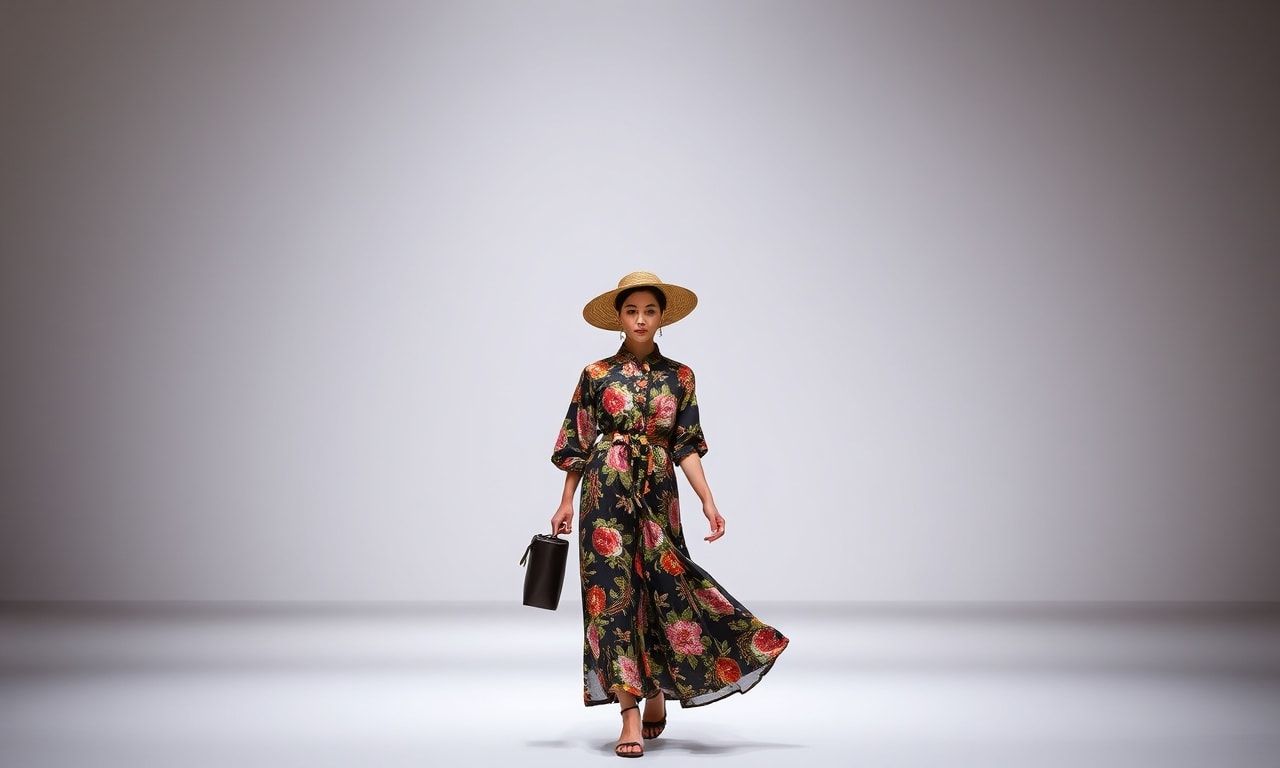
The Evolution of Thai Fashion
Thailand’s fashion industry has undergone a significant transformation over the past few decades. From traditional silk weavings to contemporary streetwear, the country’s fashion scene is a vibrant mix of cultural heritage and modern trends. This evolution reflects Thailand’s broader socio-economic development and its growing influence in the global fashion landscape.
The Role of Local Designers
Local designers play a pivotal role in shaping Thailand’s fashion industry. They draw inspiration from the country’s rich cultural tapestry, incorporating traditional motifs and techniques into their designs. These designers are not only preserving Thailand’s cultural heritage but also innovating and pushing boundaries to create unique, contemporary styles. Their work has gained international recognition, putting Thailand on the map as a rising star in the global fashion industry.
One of the emerging trends in Thai fashion is the fusion of traditional and modern elements. Designers are experimenting with traditional Thai fabrics and patterns, blending them with contemporary silhouettes and styles. This fusion creates a unique aesthetic that appeals to both local and international audiences. For instance, the use of Thai silk in modern clothing designs has become increasingly popular, showcasing the versatility and timeless beauty of this traditional fabric.
The Influence of Global Trends
While local designers are preserving Thailand’s cultural heritage, they are also influenced by global fashion trends. The internet and social media have made it easier for designers to stay updated on the latest trends and incorporate them into their work. This exchange of ideas and styles has led to a dynamic and diverse fashion scene in Thailand. Designers are constantly innovating and adapting to the changing tastes and preferences of their customers.
For example, the rise of sustainable fashion has had a significant impact on the Thai fashion industry. Many designers are now focusing on eco-friendly materials and ethical production practices. This shift towards sustainability reflects a growing awareness and concern for the environment among Thai consumers. Designers are responding to this demand by creating stylish, sustainable clothing that is both fashionable and environmentally friendly.
The Impact of Technology
Technology has revolutionized the fashion industry in Thailand, from design and production to marketing and sales. Designers are using advanced software and tools to create intricate designs and patterns, while manufacturers are leveraging technology to improve production efficiency and quality. E-commerce platforms have made it easier for designers to reach a wider audience and sell their products online. Social media platforms like Instagram and Facebook have become powerful marketing tools, allowing designers to showcase their work and connect with customers.
Moreover, technology has enabled the rise of fast fashion in Thailand. With the increasing demand for trendy and affordable clothing, many retailers are adopting fast fashion models to meet customer needs. This has led to a proliferation of fast fashion brands and stores across the country. However, the rise of fast fashion has also raised concerns about its environmental impact and the exploitation of workers in the supply chain. As a result, there is a growing movement towards slow fashion and ethical consumption in Thailand.
The Future of Thai Fashion
The future of Thai fashion looks promising, with a focus on sustainability, innovation, and cultural preservation. Designers are increasingly embracing sustainable practices and materials, reflecting a growing awareness of environmental issues. The fusion of traditional and modern elements continues to be a defining characteristic of Thai fashion, creating a unique and diverse aesthetic that appeals to a global audience.
Looking ahead, the Thai fashion industry is poised for growth and innovation. With the rise of digital platforms and e-commerce, designers have more opportunities than ever to showcase their work and reach a global audience. The increasing demand for sustainable and ethical fashion is also driving innovation and creativity in the industry. As Thailand continues to develop and evolve, its fashion scene will undoubtedly play a significant role in shaping the country’s cultural and economic landscape.
For those interested in the latest fashion trends and styles, exploring the diverse and dynamic world of Thai fashion is a must. Whether it’s the traditional elegance of Thai silk or the contemporary edge of streetwear, Thailand’s fashion industry offers a rich and varied experience. For more insights into future fashion trends, you can explore the 2026 modası giyim stil and discover the exciting developments that lie ahead.
Conclusion
Thailand’s fashion industry is a testament to the country’s rich cultural heritage and its ability to innovate and adapt to changing trends. From traditional silk weavings to contemporary streetwear, Thai designers are creating unique and diverse styles that appeal to both local and international audiences. The influence of global trends, the impact of technology, and the growing focus on sustainability are shaping the future of Thai fashion. As the industry continues to evolve, it will undoubtedly play a significant role in shaping Thailand’s cultural and economic landscape.
Readers interested in this subject may also want to explore Edinburgh Prepares for a Summer of for additional perspectives.