Introduction
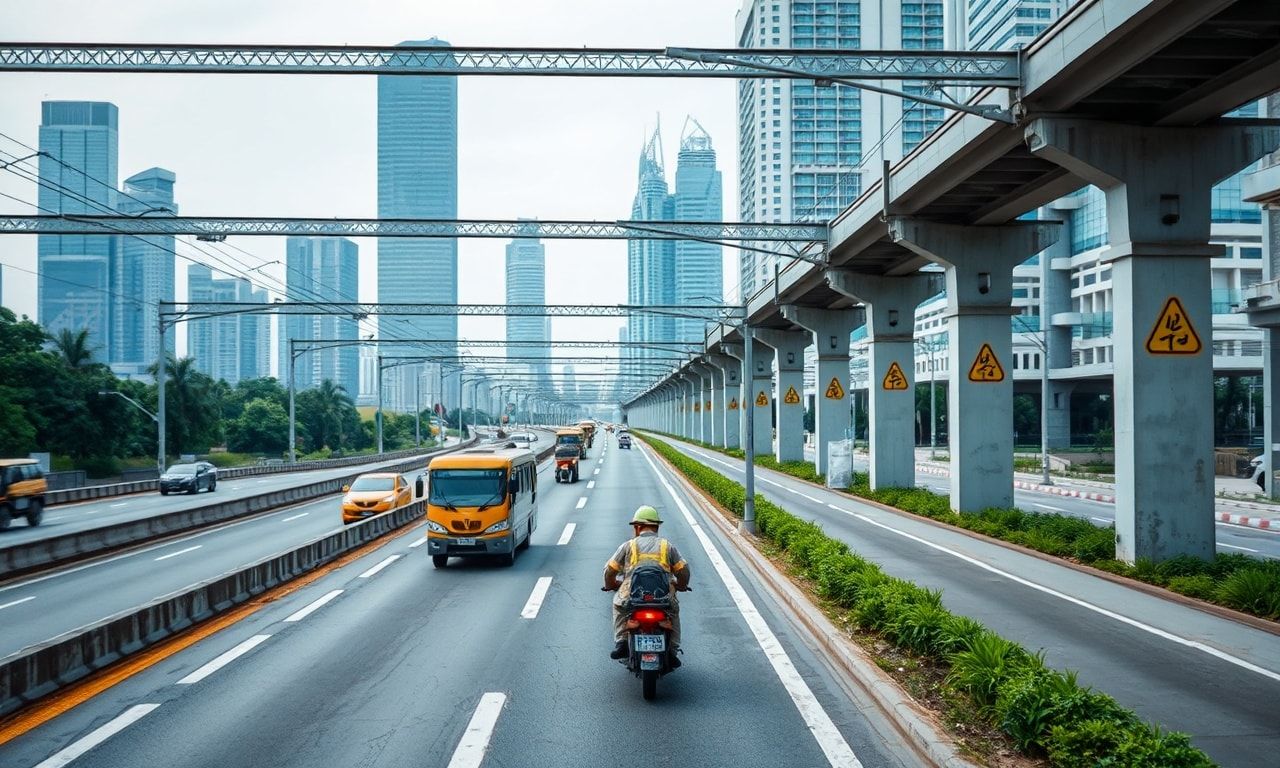
Thailand, a country known for its vibrant culture and bustling tourism industry, is currently undergoing significant infrastructure developments. These projects aim to enhance connectivity, boost economic growth, and improve the overall quality of life for its citizens. This article delves into the latest updates on these infrastructure overhauls, focusing on the progress, challenges, and implications.
Major Infrastructure Projects
The Thai government has embarked on several high-profile infrastructure projects, including the expansion of the country’s railway network, the development of new highways, and the modernization of airports. These initiatives are part of a broader strategy to transform Thailand into a logistics and transportation hub for Southeast Asia.
One of the most notable projects is the high-speed rail network, which is expected to connect major cities such as Bangkok, Chiang Mai, and Phuket. This project aims to reduce travel times significantly and facilitate the movement of goods and people across the country. Additionally, the expansion of the Suvarnabhumi Airport in Bangkok is underway to accommodate the increasing number of tourists and business travelers.
Challenges and Delays
Despite the ambitious plans, the infrastructure overhaul has faced several challenges, including funding constraints, bureaucratic hurdles, and environmental concerns. For instance, the high-speed rail project has encountered delays due to issues related to land acquisition and the need for extensive environmental impact assessments.
Moreover, the COVID-19 pandemic has further complicated the situation, leading to disruptions in the supply chain and labor shortages. These challenges have necessitated careful planning and coordination among various stakeholders to ensure the successful completion of the projects.
Economic and Social Impacts
The infrastructure developments are expected to have a profound impact on Thailand’s economy. Improved transportation networks will enhance trade and investment, creating new opportunities for businesses and entrepreneurs. The projects are also anticipated to generate employment opportunities, thereby reducing unemployment rates and boosting economic growth.
From a social perspective, the infrastructure overhaul will improve the quality of life for Thai citizens by providing better access to essential services and facilities. Enhanced connectivity will facilitate the movement of people, enabling them to access healthcare, education, and other vital services more easily.
Environmental Considerations
While the infrastructure projects promise numerous benefits, they also raise concerns about their environmental impact. The Thai government has taken steps to mitigate these concerns by incorporating sustainable practices into the planning and execution of the projects. For example, the use of eco-friendly materials and the implementation of green technologies are being encouraged to minimize the environmental footprint.
Additionally, efforts are being made to involve local communities in the planning process to ensure that their concerns and suggestions are taken into account. This approach aims to foster a sense of ownership and responsibility among the communities, thereby promoting the sustainable development of the infrastructure projects.
International Collaboration
Thailand’s infrastructure overhaul has attracted the attention of international organizations and foreign investors. The country has received financial and technical assistance from various sources, including the Asian Development Bank (ADB) and the World Bank. These collaborations have provided valuable resources and expertise, enabling Thailand to overcome some of the challenges it has faced.
Furthermore, the Thai government has been actively seeking partnerships with private sector companies to finance and implement the infrastructure projects. This public-private partnership (PPP) model is expected to accelerate the development process and ensure the timely completion of the projects.
Case Study: Kampalanları Bakım ve Onarım
One of the critical aspects of infrastructure development is the maintenance and repair of existing facilities. In this regard, the kampalanları bakım ve onarım son dakika haberleri have highlighted the importance of regular upkeep to ensure the longevity and efficiency of the infrastructure. The latest news reports indicate that significant investments are being made to improve the maintenance and repair processes, thereby enhancing the overall quality of the infrastructure.
Conclusion
Thailand’s infrastructure overhaul is a testament to the country’s commitment to progress and development. While the journey is fraught with challenges, the potential benefits for the economy and society are immense. By addressing the obstacles and leveraging international collaborations, Thailand is poised to achieve its vision of becoming a logistics and transportation hub for Southeast Asia. The ongoing efforts in maintenance and repair, as highlighted by the kampalanları bakım ve onarım son dakika haberleri, underscore the importance of sustainable practices in ensuring the long-term success of these projects.