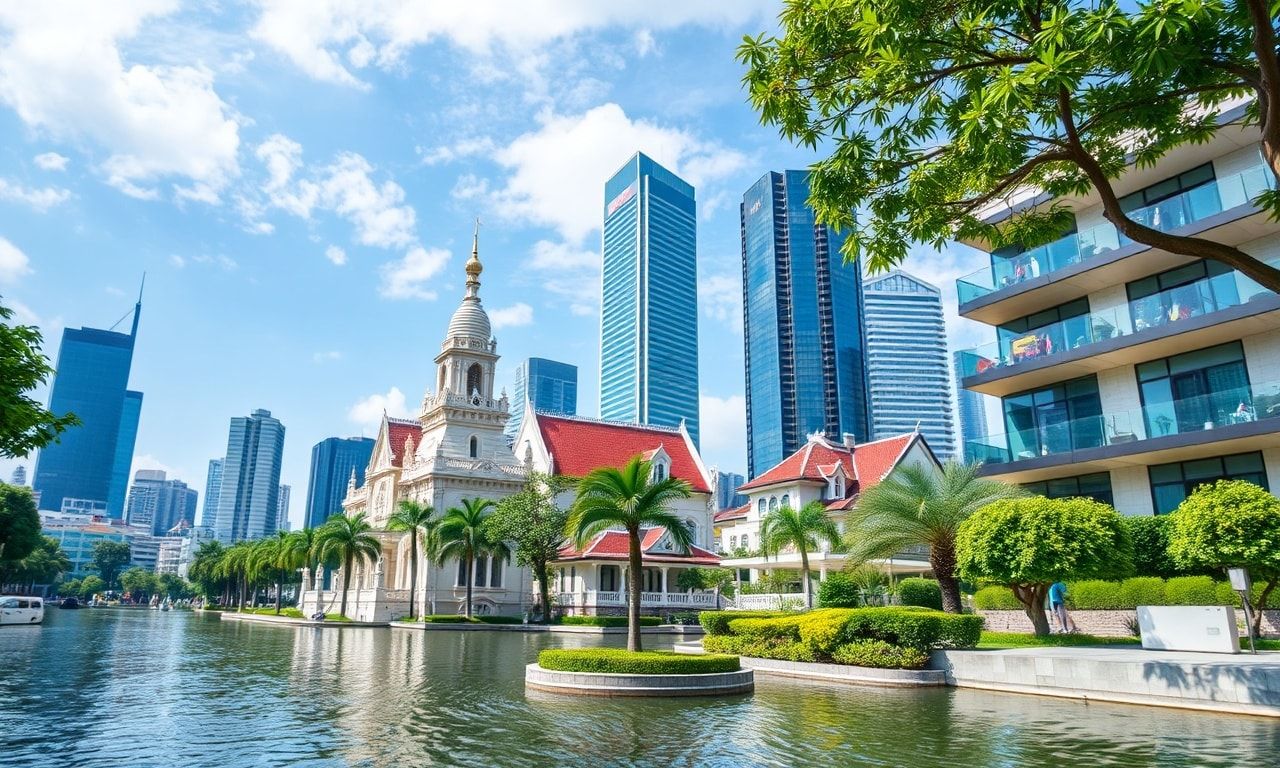
Introduction to Global Real Estate Trends
The global real estate market is experiencing significant shifts, influenced by economic, social, and technological factors. This article explores the current trends in Thailand and France, two countries with distinct real estate landscapes. By comparing these markets, we can gain insights into the broader global trends shaping the industry.
Thailand’s Real Estate Market: A Growing Hub
Thailand’s real estate market has been steadily growing, driven by a robust economy, tourism, and foreign investment. The country’s strategic location in Southeast Asia makes it an attractive destination for both residential and commercial properties. Key cities like Bangkok, Chiang Mai, and Phuket are witnessing a surge in property development, catering to both local and international buyers.
One of the notable trends in Thailand is the rise of condominium projects. These projects are particularly popular among expatriates and investors looking for affordable yet high-quality housing options. The Thai government’s policies supporting foreign investment have further boosted the market, making it easier for international buyers to invest in Thai real estate.
Key Drivers of Thailand’s Real Estate Growth
The growth of Thailand’s real estate market can be attributed to several factors:
- Economic Stability: Thailand’s stable economy and favorable business environment attract both local and foreign investors.
- Tourism Boom: The country’s thriving tourism industry has led to increased demand for vacation homes and rental properties.
- Government Incentives: Policies supporting foreign investment and tax incentives for property developers have stimulated market growth.
- Infrastructure Development: Ongoing infrastructure projects, such as new highways and public transportation systems, enhance property values and accessibility.
France’s Real Estate Market: Stability and Innovation
France’s real estate market is known for its stability and resilience. The country’s strong legal framework and well-established property market make it a safe investment destination. Paris, in particular, remains a hotspot for real estate investment, with a diverse range of properties catering to different budgets and preferences.
According to Paris marché immobilier prix 2026, the Paris real estate market is expected to see steady growth in the coming years. This growth is driven by factors such as urbanization, a strong job market, and the city’s status as a global cultural and economic hub. The demand for both residential and commercial properties in Paris is expected to remain high, making it a lucrative market for investors.
Key Drivers of France’s Real Estate Growth
The stability and growth of France’s real estate market can be attributed to several factors:
- Urbanization: The trend of urbanization continues to drive demand for housing in major cities like Paris, Lyon, and Marseille.
- Strong Job Market: A robust job market attracts professionals and their families, increasing the demand for residential properties.
- Cultural and Economic Hub: Paris’s status as a global cultural and economic hub makes it an attractive destination for both domestic and international investors.
- Government Policies: Favorable government policies, such as tax incentives and subsidies for first-time homebuyers, support market growth.
Comparative Analysis: Thailand vs. France
While both Thailand and France offer attractive real estate investment opportunities, there are notable differences between the two markets. Understanding these differences can help investors make informed decisions.
Market Dynamics
Thailand’s real estate market is characterized by rapid growth and a focus on condominium projects, driven by tourism and foreign investment. In contrast, France’s market is more stable and established, with a strong emphasis on urbanization and a robust legal framework. Both markets offer unique advantages, depending on the investor’s goals and preferences.
Investment Opportunities
In Thailand, investors can benefit from the country’s growing economy and favorable policies for foreign investment. The demand for vacation homes and rental properties, particularly in tourist hotspots, presents lucrative opportunities. In France, the stable market and high demand for properties in major cities like Paris make it an attractive destination for long-term investments.
Conclusion
The global real estate market is shaped by a variety of factors, and understanding the trends in different countries can provide valuable insights for investors. Thailand and France offer distinct opportunities, each with its own set of advantages. Whether you are looking for rapid growth and high returns or stability and long-term investment, both markets have something to offer. By staying informed about the latest trends and developments, investors can make well-informed decisions and capitalize on the opportunities presented by these dynamic real estate markets.