
Thailand Travel Tips: Planning, Transport and Staying Safe
Plan a smoother Thailand trip with practical advice on timing, routes, budgets and transport, plus clear ways to avoid common travel problems.

For a smoother Thailand trip, check entry requirements and seasonal weather before booking, then choose a route that leaves time for travel between destinations. Set a flexible budget for accommodation, food and activities, and compare transport options for each leg. Keep essential documents accessible, use reputable services, and allow extra time for connections and unexpected delays.
Thailand’s regions offer very different experiences, from Bangkok’s urban transport network to island ferries and northern mountain roads. A practical itinerary groups nearby places together rather than trying to cover the whole country in one visit.
The guidance below covers trip preparation, route planning, everyday costs and ways to get around. Conditions and services can change, so confirm current details with official sources and transport operators before setting out.
- Check entry rules, regional weather and travel documents before booking.
- Group nearby destinations and leave room for transfers or delays.
- Budget by category, compare total costs and keep a reserve.
- Choose transport for each route and confirm terminals, fares and connections.
Start with the Basics of Planning a Thailand Trip
Check Entry and Travel Dates
Check the latest entry requirements for your passport before buying non-refundable travel services. Rules can depend on nationality, trip purpose and length of stay, so confirm them with official Thai government sources or the nearest Thai embassy. Also check whether your airline requires particular documents before boarding, since a missed requirement can disrupt the journey.
Choose travel dates with the weather and local conditions in mind, not just the calendar price of a flight. Thailand’s climate varies by region, and rain can affect ferry crossings, roads and outdoor plans. Look up forecasts and seasonal guidance for each destination, then keep some flexibility if your itinerary depends on weather-sensitive activities.
Make a simple document plan before departure: save copies of your passport, bookings and insurance details separately from the originals. Travellers converting funds from Turkish lira can check bugünkü döviz kurları as one input when estimating their overall trip budget. Currency values change, so treat an online conversion as a planning reference rather than a guaranteed amount.
Prepare Before You Depart
Keep your passport, arrival details and accommodation address easy to retrieve when you travel. Store digital copies securely and carry a separate backup of important information in case a phone is lost or its battery runs down. Tell someone you trust your broad itinerary, especially if you plan to travel between remote areas.
Review your travel insurance wording before departure rather than assuming every activity is covered. Check how the policy treats medical care, cancellations, luggage and any planned activities such as diving or motorbike riding. Keep the insurer’s contact instructions available offline, because mobile data or a stable connection may not be available when you need them.
Pack for the activities and regions on your route, and leave room for practical changes. Lightweight clothing suits hot conditions, while modest options help when visiting religious sites. Bring any regular medication in its original packaging and check official guidance on carrying it into Thailand; do not assume that a medicine permitted at home is automatically permitted abroad.
Choose Destinations and Build a Practical Route
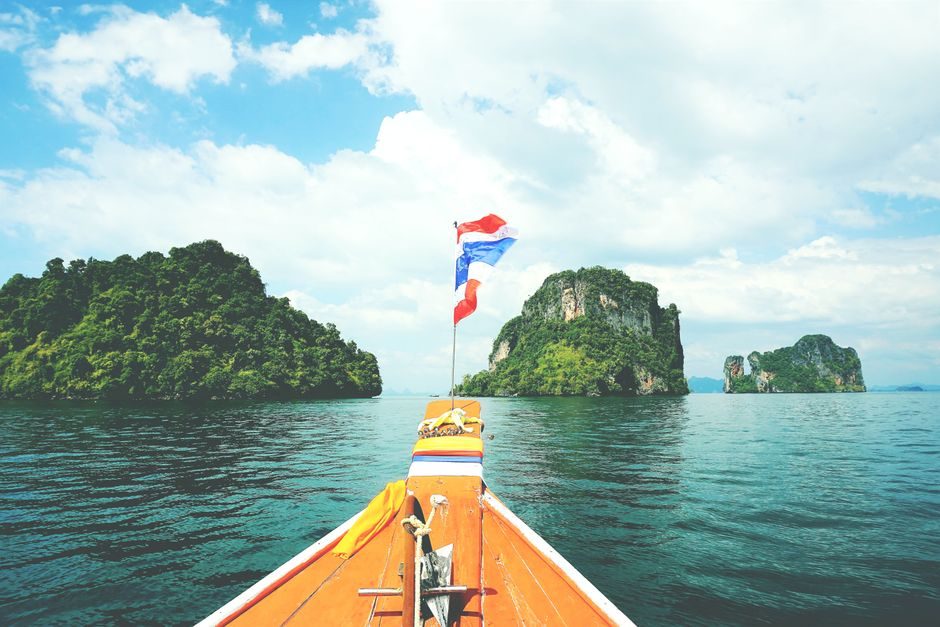
Group Places by Region
Build your route around a few nearby destinations instead of treating every famous stop as essential. Bangkok can work as an arrival or departure point, while northern cities and southern beaches usually require separate travel legs. Visitors comparing a planned amount with its Turkish-lira equivalent can use döviz kuru çevirme hesaplama before deciding how much to set aside.
- Mistake: adding distant stops to save time; better approach: group destinations by region.
- Mistake: planning around map distance alone; better approach: check every transfer and departure.
- Mistake: booking activities immediately after arrival; better approach: leave a buffer for delays.
Account for the time needed to reach each place, not only the distance shown on a map. A short-looking journey may involve a flight connection, a road transfer or a ferry departure that runs on a fixed schedule. Check the complete route from accommodation to accommodation, including the final transfer after arriving at a station, airport or pier.
Leave space between major travel days and activities that require a fixed arrival time. If a flight, ferry or long-distance bus is delayed, a tightly packed itinerary can lead to missed bookings or rushed decisions. A slower route also gives you time to explore a destination without spending much of the trip checking out, transferring and checking in again.
- Choose a small cluster of destinations in one region.
- Check the full transfer chain for each journey.
- Keep flexible time around fixed departures.
- Confirm the return route before travelling to an island.
Match the Route to Your Priorities
Choose destinations according to what you want to do, then check whether the season and transport suit those plans. A city-focused trip may work well with rail and urban transit, while a beach itinerary can depend on ferries and local road transfers. Confirm operating details directly with providers before committing to a route that has limited alternatives.
Use a map to spot practical bases for day trips, but do not assume every attraction is close enough for a quick visit. Check travel times at the hours you expect to move, and consider how you will return after an evening activity. Staying near useful transit or a main pier can reduce transfers, particularly when carrying luggage.
For a longer stay, consider arriving in one area and departing from another if the available transport makes that practical. Compare the extra cost and complexity against retracing your steps, and check whether separate tickets leave enough time for delays. Keep your plans easy to adjust when weather, service changes or personal preferences make a different pace more appealing.
Set a Budget for Transport, Food and Activities
Plan Daily Spending Categories
Set separate estimates for accommodation, transport, meals, entrance fees and communication so one category does not quietly absorb the whole budget. Compare the kinds of choices you expect to make, such as local meals versus restaurant dining or public transport versus private transfers. Add a reserve for changes, medical needs or a missed connection rather than spending every planned amount in advance.
Check what a quoted fare or booking actually includes before comparing it with another option. A low headline amount may exclude luggage, meals, transfers or a convenient departure time. Review cancellation conditions as well: a flexible booking may cost more initially but can be useful when your route depends on weather or connecting services.
Track spending in the currency you actually use and review the running total every few days. Exchange rates and card fees can change the final cost, so check your bank’s terms and retain receipts for significant purchases. Carry more than one payment method, but keep backup funds separate from your everyday wallet to limit disruption if something goes missing.
| Choice | Best suited to | Check before deciding |
|---|---|---|
| Public transport | Regular city journeys | Route and operating times |
| Taxi or booked ride | Direct trips with luggage | Fare and destination |
| Train or coach | Travel between regions | Terminal and connection time |
| Flight and ferry | Long-distance or island routes | Transfer and weather conditions |
Compare Everyday Travel Choices
Choose food and activities by balancing convenience, location and the experience you want, rather than treating every option as interchangeable. Street stalls, casual eateries and sit-down restaurants can differ in setting and service, while attractions may require advance booking or extra transfers. Check current opening details and what a ticket includes before making a day plan.
Keep a simple record of transport and meal spending during the trip, especially when paying in cash across several stops. Small purchases can be easy to forget, while a clear note of the day’s main costs helps you decide whether to adjust later plans. Avoid relying on a single remembered conversion when comparing card charges with cash withdrawals.
Make the comparison useful by considering the whole outing, not just its first price. A distant attraction may require extra fares and time, while a more expensive meal near your accommodation could save a late-night transfer. The table gives a practical way to weigh common choices without assuming that one option suits every traveller.
- Compare the full journey, including transfers.
- Check inclusions and cancellation terms before booking.
- Keep a small spending record as you travel.
Choose transport according to the route, luggage and time of day rather than using one mode for every journey.
Understand Local Transport Options
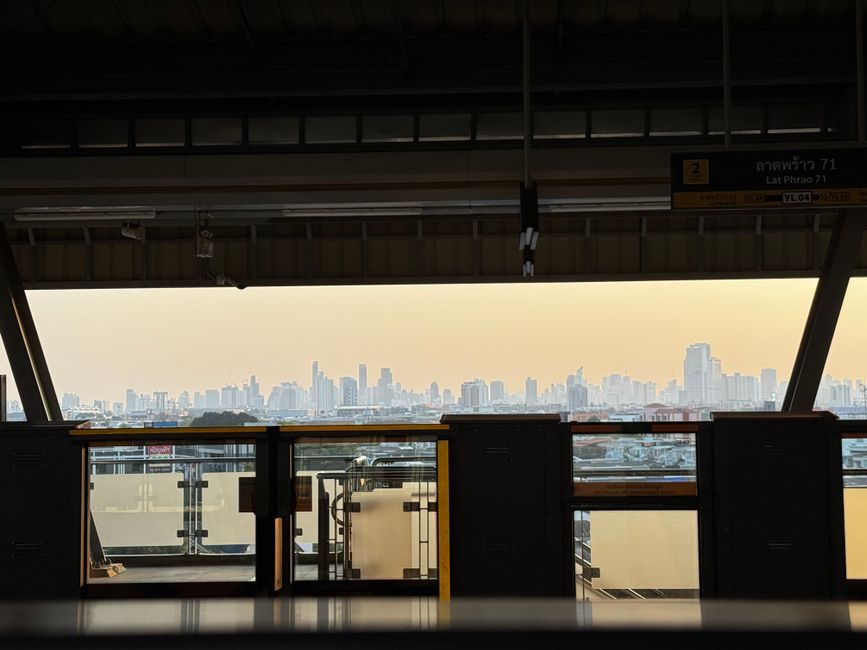
Use the Right Mode for Each Journey
Choose transport according to the route, luggage and time of day rather than using one mode for every journey. Bangkok’s rail services can be useful for moving through busy areas, while buses, taxis and app-based rides may suit routes beyond the rail network. For trips between regions, compare flights, trains and coaches by total travel time and departure location.
Check where a service starts and ends before booking, since a terminal or station may be far from your hotel or the next connection. For island journeys, confirm the pier, ferry schedule and onward transfer together. Keep enough time between separate tickets, and check the operator’s latest service information when weather may affect boats or roads.
For a taxi or other paid ride, confirm the destination and fare arrangement before setting off. Use official taxi ranks or established booking channels where available, and check that the vehicle matches the booking details. If you are unsure whether a route or price is sensible, pause in a public place and compare options rather than agreeing under pressure.
Allow for Transfers and Delays
Treat a multi-stage journey as one connected trip, and check every handover before you leave. A train arriving at a city station may not connect directly to the airport or ferry pier, while a coach terminal can sit outside the centre. Save station names and addresses so you can confirm the correct destination with drivers or staff.
Build a time buffer when separate bookings depend on one another. If a delayed coach causes you to miss a flight or boat on a separate ticket, the next provider may not be responsible for the disrupted connection. Where possible, avoid scheduling an important departure immediately after a long journey, and check the conditions for changing or cancelling each booking.
Keep your phone charged and transport details available offline, especially during longer journeys. A screenshot of a ticket, address or timetable can help when mobile coverage is weak, but confirm any service changes with the operator before boarding. If plans change, ask staff at an official counter or contact the provider through its verified channel rather than relying on an unsolicited offer.
Prepare for Payments and Everyday Spending
Plan Your Payment Mix
Carry some Thai baht for small purchases, while keeping a card available for hotels, larger shops and emergencies. Street food stalls, local markets and some smaller businesses may not accept cards, so relying on one payment method can leave you stuck when you need to pay.
- Check your card’s overseas-use settings before departure.
- Ask your bank about foreign transaction and cash-withdrawal fees.
- Exchange or withdraw a small amount of baht for immediate needs.
- Keep cash and backup cards in separate secure places.
Before leaving, check with your bank about overseas card use, fees and how to report a lost card. Keep a backup card separate from your wallet, and store your bank’s contact details securely so you can act quickly if your main card is misplaced.
If you track your travel budget in Turkish lira, checking dolar kaç Türk lirası can help you understand the value of a dollar-denominated cost before comparing it with your planned spending. For purchases in Thailand, still check the amount in baht at the point of sale, since exchange rates and card fees affect the final charge.
- Carry a modest amount of baht for small purchases.
- Keep a backup payment card separate.
- Check overseas-use settings and fees with your bank.
- Save your bank’s contact details securely.
Check Charges Before Paying
When a card terminal offers to charge you in your home currency or in Thai baht, compare the displayed amount and ask your card provider which option it recommends. Paying in your home currency may include a conversion set by the merchant’s payment provider, while your bank may use its own rate and fees.
At an ATM, read the screen carefully before accepting a conversion or fee. The amount shown should be clear before you confirm; cancel if the terms are confusing, then try a bank-operated machine or contact your bank for guidance.
For cash exchange, compare the posted buy and sell rates and ask whether any commission applies before handing over money. Count the notes at the counter and keep the receipt until you have checked the amount, particularly if you are exchanging a larger sum.
Respect Local Customs and Stay Safe
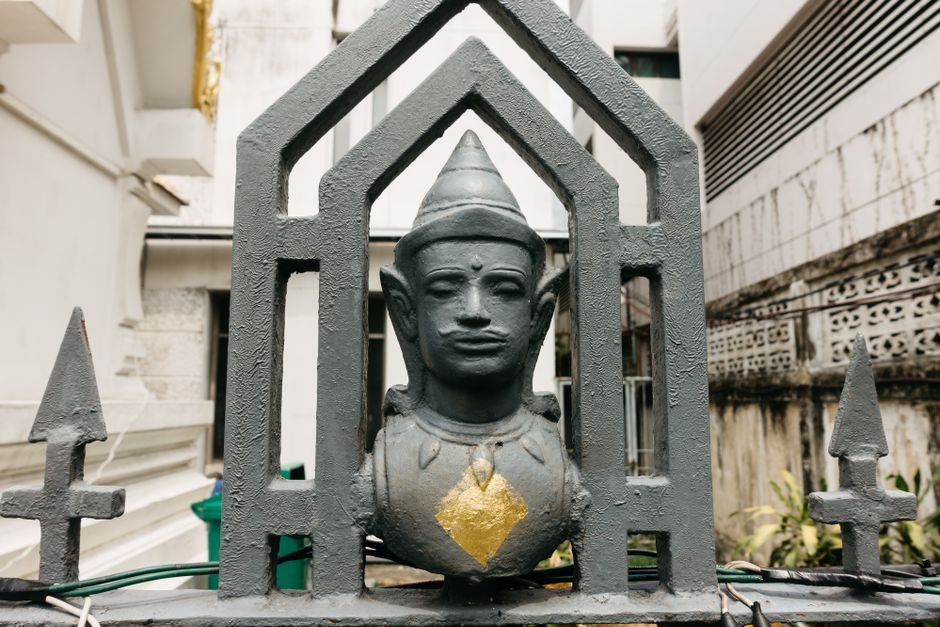
Dress and Behave Thoughtfully
Dress modestly when visiting temples, covering your shoulders and knees, and follow any instructions at the entrance. Remove shoes where signs or local practice require it, and avoid treating worshippers or religious objects as photo props; a quiet, respectful manner helps visitors avoid disrupting ceremonies.
Use a calm tone when disagreements arise, and avoid public displays of anger. In religious settings, observe what people around you do and ask permission before taking close-up photographs; some places restrict photography, and rules may differ between rooms or sites.
Treat images and symbols of the Thai monarchy with care and respect. Laws and social expectations around the monarchy are serious, so do not deface currency or make jokes or gestures that could be understood as disrespectful.
- Cover shoulders and knees at temples.
- Remove shoes when signs or local practice ask you to.
- Ask before photographing people or ceremonies.
- Keep your voice calm during disagreements.
Use Practical Safety Habits
Keep your passport secured at your accommodation and carry a copy or another accepted form of identification when appropriate. If a hotel, tour operator or official needs to see your passport, ask why it is required and avoid leaving the document unattended longer than necessary.
Use licensed taxis or reputable ride-hailing services, confirm the destination before setting off, and keep valuables out of sight. On foot, take care when crossing busy roads: traffic may approach from an unexpected direction, and marked crossings do not always mean vehicles will stop.
Save local emergency contacts and your accommodation’s address before heading out, including an offline copy in case mobile data fails. Tell someone your plans for remote excursions, check weather and operator guidance, and do not enter rough water or attempt a journey when conditions look unsafe.
Avoid Common Planning and Travel Mistakes
Leave Room for Changes
Avoid arranging every connection tightly, especially when a trip depends on a ferry, domestic flight or long road journey. Weather, traffic and service changes can disrupt plans, so leave a buffer before important departures and avoid booking a non-refundable activity immediately after arriving in a new place.
Check the latest departure point, baggage rules and check-in guidance with the transport operator rather than relying only on an old itinerary. A station, pier or airport can have more than one entrance or service area, and confirming details in advance reduces the chance of rushing to the wrong place.
Plan for heat and heavy rain by keeping drinking water, sun protection and a light rain layer accessible. During the rainy season, conditions can change quickly; check local forecasts and official advisories before setting out, and be ready to change an outdoor plan rather than push on in unsafe weather.
- Leave a buffer between major connections.
- Confirm departure points and baggage rules.
- Check local weather before outdoor activities.
- Keep a flexible alternative for disrupted plans.
Spot Booking and Tour Risks
Read what a tour booking includes before paying, especially transport, entrance fees, meals and cancellation terms. Ask for a clear itinerary and confirm whether the operator has arranged the required permissions; vague promises or pressure to pay immediately are reasons to pause and check independently.
Be cautious if a stranger offers an unusually convenient substitute for a landmark or says a booked site is closed without reliable confirmation. Check official venue information or ask your accommodation to verify the claim before paying for a replacement trip or changing your route.
For activities involving animals, boats or physical risk, look for clear safety briefings, suitable equipment and an operator willing to answer questions. Do not feel obliged to join an activity if conditions, equipment or instructions seem inadequate; walking away is safer than accepting pressure.
Make the Most of Each Day in Thailand
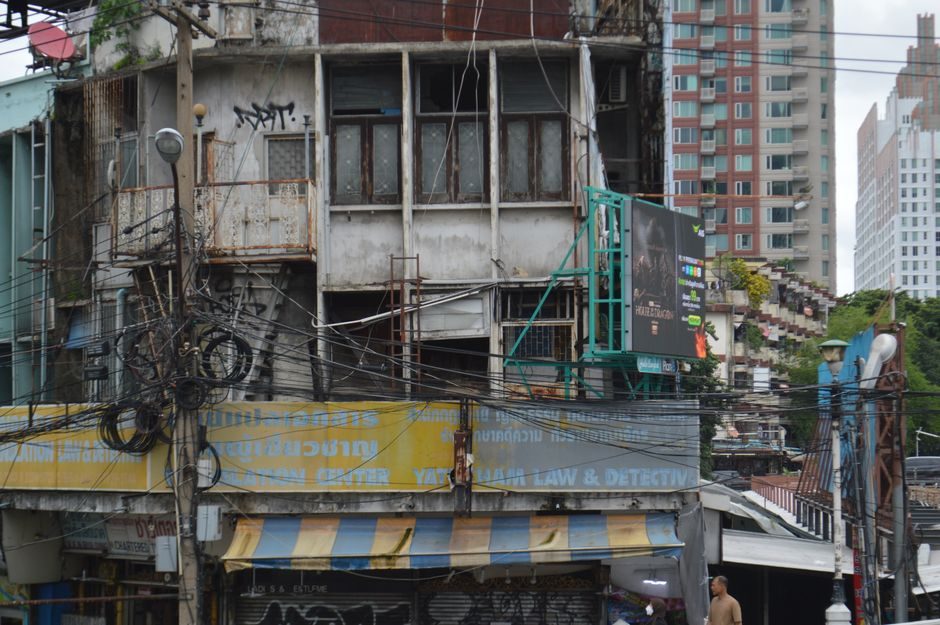
Set a Realistic Daily Pace
Choose a few priorities for each day rather than trying to fit every attraction into one route. Travel between districts can take longer than expected, and a shorter plan leaves room for meals, rest and unexpected delays without turning the visit into a race.
- ☐ Check the forecast and local advisories.
- ☐ Confirm opening hours and transport details.
- ☐ Carry water, sun protection and a rain layer.
- ☐ Choose a backup activity near your planned route.
Group nearby sights together and check opening hours before setting off, especially for temples, museums and markets with limited schedules. Start early for popular outdoor places when practical, then leave the hotter part of the day for lunch, indoor visits or a break.
Use local conditions to shape the day: check heat, rain and air-quality advisories when available, and carry water and sun protection. If a storm or severe heat makes outdoor plans uncomfortable, switch to an indoor stop or postpone the outing rather than treating the itinerary as fixed.
- Pick a few priorities for the day.
- Group nearby places on the same route.
- Check opening hours before leaving.
- Keep an indoor alternative for poor conditions.
Make Space for Local Discovery
Leave some unplanned time for a neighbourhood meal, a riverside walk or a market visit that fits your route. Ask staff at your accommodation for current, nearby suggestions, then check opening times and how you will get back before committing to a distant detour.
Eat and shop with basic care: choose food that is freshly prepared, handle cash discreetly and check prices before ordering when they are not displayed. At markets, be polite if you decide not to buy, and keep walkways clear rather than stopping abruptly in a crowd.
Keep a note of your accommodation’s address in Thai or a map location you can show a driver, and download essential maps for offline use. At the end of each day, confirm the next day’s first departure and charge your phone, leaving less to solve in the morning.
Frequently asked questions
Do I need to carry my passport everywhere in Thailand?Keep your passport secure at your accommodation and carry identification or a copy when suitable, while checking any current requirements for your circumstances. Requirements can vary by situation, and a copy may not replace an original document when an official specifically requires it. Ask why a business needs to hold your passport, and avoid leaving it unattended or as collateral.
What should I do if heavy rain changes my travel plans?Check current weather and transport updates, then contact your airline, ferry operator or tour provider to confirm whether the service is running. Avoid travelling through flooded roads or rough water, and follow local authority instructions. Keep your accommodation informed if you will arrive late, and use a flexible indoor plan until conditions improve rather than taking unnecessary risks.
How can I avoid getting lost in a Thai city?Save your accommodation’s address and map location before going out, and download a map for offline use in case your data connection drops. Confirm the destination with a driver before setting off, and keep your route information accessible without relying on a fully charged phone. If you need help, approach staff at a hotel, station or established business.
What should I check before booking an island or boat trip?Confirm the departure pier, schedule, what the fare includes and the cancellation policy directly with the operator. Ask how weather changes affect the trip and what safety equipment is provided. Check local conditions on the day, follow crew instructions and do not board if the boat appears unsafe or the operator cannot explain basic safety arrangements.
Travel Thailand With a Flexible Plan
A smooth trip depends less on packing every hour than on handling the basics well: keep payment options available, respect local customs, confirm transport details and make safety decisions based on current conditions. Build time between connections and have a backup plan for weather or delays. These habits make it easier to enjoy Thailand without letting small surprises derail the day.
Before you leave, save your accommodation details, check your bank’s overseas-use rules and review the latest transport and weather information for your first destination. Then plan a manageable first day, with room to rest and adjust after arrival. As you travel, confirm important details locally and let conditions—not a rigid itinerary—guide your choices.
Add Thailand News as a preferred source on Google


