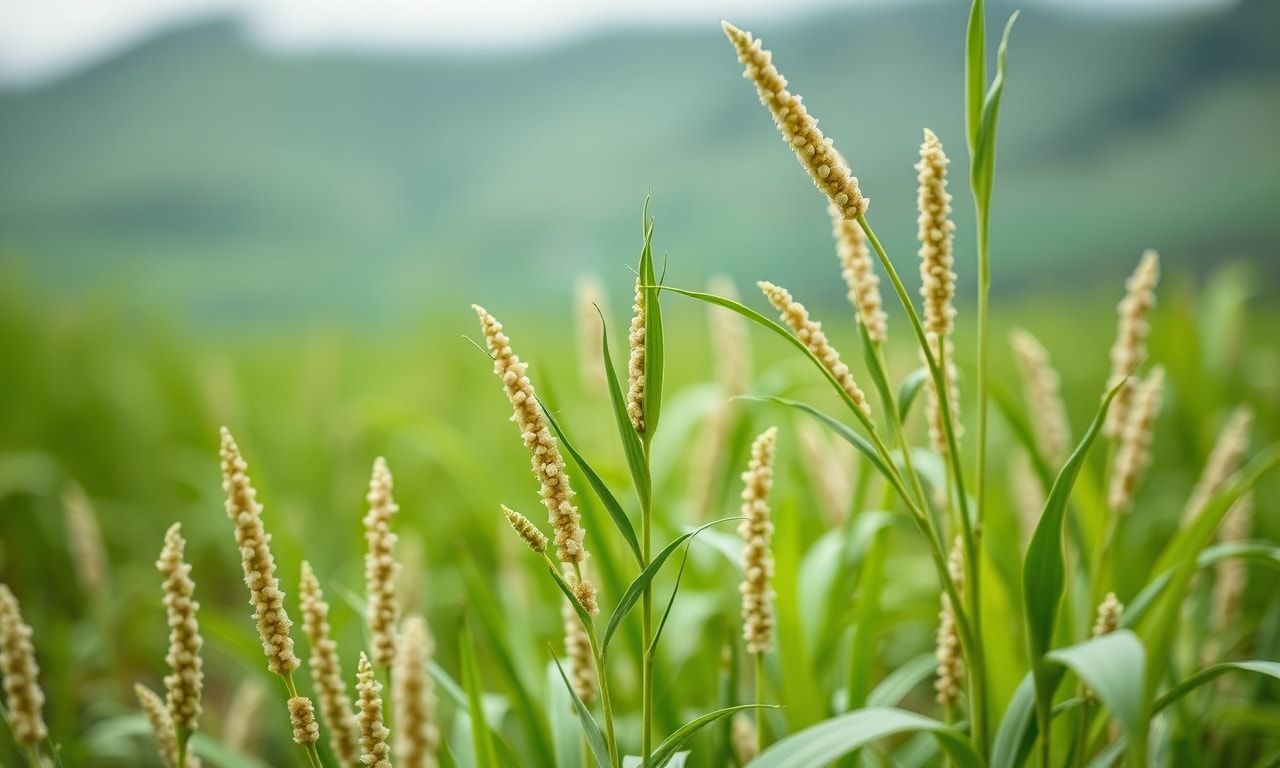
The Green Revolution in Thailand
Thailand, known for its lush landscapes and rich biodiversity, is witnessing a green revolution in its agricultural sector. Among the various crops gaining traction, chia seeds are emerging as a significant player. This tiny superfood, packed with nutrients, is not only transforming diets worldwide but also reshaping the agricultural landscape in Thailand. The country’s favorable climate and innovative farming techniques are making it a hotspot for chia seed cultivation.
The Benefits of Chia Seed Farming
Chia seeds are renowned for their high nutritional value, containing omega-3 fatty acids, fiber, and protein. These seeds are a staple in health-conscious diets and are increasingly being incorporated into various food products. For Thai farmers, chia seed farming presents a lucrative opportunity. The crop requires less water compared to traditional crops like rice, making it an eco-friendly choice. Additionally, chia seeds have a high market value, both domestically and internationally, ensuring a steady income for farmers.
One of the innovative practices gaining popularity in chia seed farming is the use of sprinkler irrigation systems. These systems ensure efficient water distribution, reducing wastage and enhancing crop yield. For those interested in learning more about this technique, resources like chia seed farming for sprinkler irrigation provide valuable insights and guidance.
Government Initiatives and Farmer Support
The Thai government has been proactive in supporting agricultural innovation. Various initiatives have been launched to encourage farmers to diversify their crops and adopt modern farming techniques. Subsidies and training programs are available to help farmers transition to chia seed farming. These efforts aim to boost the agricultural sector’s productivity and sustainability, aligning with the country’s vision for economic growth and environmental conservation.
Training and Education
Education plays a crucial role in the successful adoption of chia seed farming. Farmers are provided with comprehensive training on soil preparation, planting techniques, and pest management. Workshops and seminars are regularly conducted to keep farmers updated on the latest agricultural advancements. This emphasis on education ensures that farmers are well-equipped to handle the challenges and maximize the benefits of chia seed farming.
Challenges and Solutions
Despite the numerous benefits, chia seed farming in Thailand faces certain challenges. One of the primary concerns is the initial investment required for setting up the necessary infrastructure. However, the government’s subsidies and financial aid programs help mitigate this issue. Another challenge is the need for consistent market demand. To address this, the government is actively promoting chia seeds in both domestic and international markets, ensuring a stable demand for the crop.
Environmental Considerations
Environmental sustainability is a key focus in chia seed farming. The use of sprinkler irrigation systems not only conserves water but also reduces the environmental impact. Farmers are encouraged to adopt organic farming practices to minimize the use of chemical fertilizers and pesticides. These eco-friendly approaches contribute to the overall health of the soil and the environment, ensuring long-term sustainability.
The Future of Chia Seed Farming in Thailand
The future of chia seed farming in Thailand looks promising. With the government’s support, innovative farming techniques, and a growing market demand, the sector is poised for significant growth. Farmers are increasingly recognizing the potential of chia seeds and are eager to embrace this new opportunity. As the country continues to invest in agricultural innovation, chia seed farming is set to play a pivotal role in Thailand’s agricultural landscape.
In conclusion, the rise of chia seed farming in Thailand represents a significant shift in the country’s agricultural sector. The combination of government support, innovative techniques, and environmental consciousness is paving the way for a sustainable and prosperous future. As more farmers adopt chia seed farming, the benefits will extend beyond economic gains, contributing to the overall well-being of the environment and the community.