Introduction
Thailand, a land renowned for its stunning beaches, vibrant culture, and delectable cuisine, is taking significant strides towards sustainable tourism. As the world becomes increasingly aware of the environmental impact of travel, Thailand is positioning itself as a leader in eco-conscious tourism. This shift is not only beneficial for the environment but also promises to enhance the travel experience for visitors, ensuring that the country’s natural beauty is preserved for future generations.
The Rise of Eco-Tourism in Thailand
Eco-tourism is gaining momentum in Thailand, with a growing number of resorts, tour operators, and travel agencies adopting sustainable practices. From energy-efficient buildings to waste reduction initiatives, the industry is undergoing a green revolution. The Thai government has also played a pivotal role in promoting eco-tourism by implementing policies that encourage sustainable development and conservation efforts.
One of the key initiatives is the development of eco-friendly accommodations. Many hotels and resorts are now powered by renewable energy sources such as solar and wind power. They are also implementing water conservation measures and reducing their carbon footprint through various innovative strategies. These efforts are not only helping to protect the environment but also attracting a new breed of travelers who are increasingly conscious of their environmental impact.
Community-Based Tourism
Community-based tourism is another area where Thailand is making significant progress. This approach involves local communities in the tourism industry, ensuring that they benefit from the economic opportunities it brings. By involving local communities, tourism becomes a tool for socio-economic development, helping to alleviate poverty and promote cultural preservation.
For instance, in the northern region of Chiang Mai, many villages have opened their doors to tourists, offering homestays and cultural experiences. This not only provides a unique and authentic travel experience but also helps to preserve traditional ways of life. Visitors can participate in activities such as cooking classes, traditional crafts, and agricultural practices, gaining a deeper understanding of Thai culture.
Conservation Efforts and Wildlife Protection
Thailand is home to a rich biodiversity, and the country is taking steps to protect its wildlife and natural habitats. National parks and marine reserves are being established to safeguard endangered species and promote conservation. The government has also launched several initiatives to combat illegal wildlife trade and promote sustainable wildlife tourism.
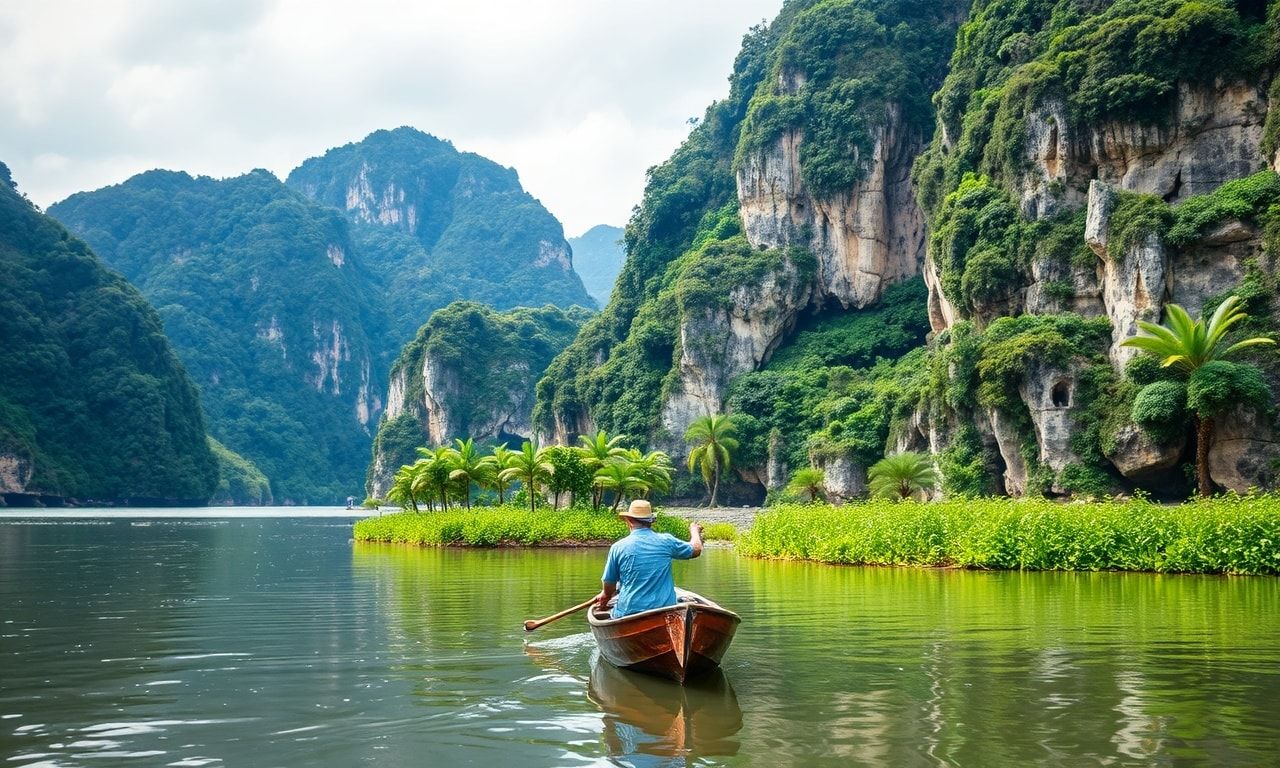
One notable example is the Phang Nga Marine National Park, which is known for its stunning limestone cliffs and crystal-clear waters. The park is a haven for marine life, including sea turtles, dolphins, and a variety of fish species. By promoting responsible tourism practices, the park aims to protect its fragile ecosystem while providing visitors with an unforgettable experience.
In addition to marine conservation, Thailand is also focusing on the protection of its terrestrial wildlife. The country is home to several endangered species, including elephants, tigers, and gibbons. Conservation efforts are underway to protect these species and their habitats, ensuring that they continue to thrive in the wild.
Health and Wellness Tourism
Thailand is also becoming a popular destination for health and wellness tourism. The country is known for its traditional healing practices, including Thai massage, herbal medicine, and meditation. Many travelers are now seeking out these experiences as a way to improve their overall well-being.
For example, the town of Pai in northern Thailand has become a hub for wellness tourism. Visitors can enjoy a variety of treatments, including traditional Thai massage, herbal steam baths, and yoga classes. The town’s serene environment and natural beauty make it an ideal destination for those seeking relaxation and rejuvenation.
Moreover, the demand for natural supplements and health products is on the rise. Websites like doğal besin takviyeleri incelemesi offer comprehensive reviews and information on natural supplements, helping travelers make informed choices about their health and well-being. This trend is not only benefiting the tourism industry but also promoting a healthier lifestyle among travelers.
Challenges and Future Prospects
Despite the progress made, Thailand still faces several challenges in its quest for sustainable tourism. One of the main challenges is balancing the needs of tourism with the preservation of natural resources. As the number of visitors continues to grow, there is a risk of over-tourism, which can lead to environmental degradation and cultural erosion.
To address these challenges, the Thai government is working closely with local communities, tourism operators, and environmental organizations to develop sustainable tourism strategies. These strategies aim to promote responsible tourism practices, protect natural resources, and ensure that the benefits of tourism are shared equitably among all stakeholders.
The future of tourism in Thailand looks promising, with a growing emphasis on sustainability and eco-conscious travel. By embracing these principles, Thailand is not only preserving its natural beauty but also enhancing the travel experience for visitors. As more travelers seek out sustainable and responsible tourism options, Thailand is well-positioned to become a global leader in eco-tourism.
Conclusion
Thailand’s journey towards sustainable tourism is a testament to the country’s commitment to preserving its natural and cultural heritage. Through innovative initiatives and collaborative efforts, Thailand is setting a new standard for eco-conscious travel. As the world becomes increasingly aware of the importance of sustainability, Thailand’s efforts serve as an inspiration for other destinations to follow suit. By embracing sustainable tourism, Thailand is not only protecting its environment but also enriching the travel experience for visitors, ensuring that the country’s beauty and culture are preserved for future generations to enjoy.
In light of the evolving health trends, a recent report highlights the rise of natural food supplements in Türkiye, offering an insightful perspective on the shifting consumer preferences in the region; for more details, see health trends in Turkey.
In the realm of urban development and public health, a new model is emerging that could reshape city living, as detailed in Birmingham’s innovative health approach.
In the evolving landscape of health and wellness, a new article explores how global trends meet traditional practices in surprising ways.