Introduction
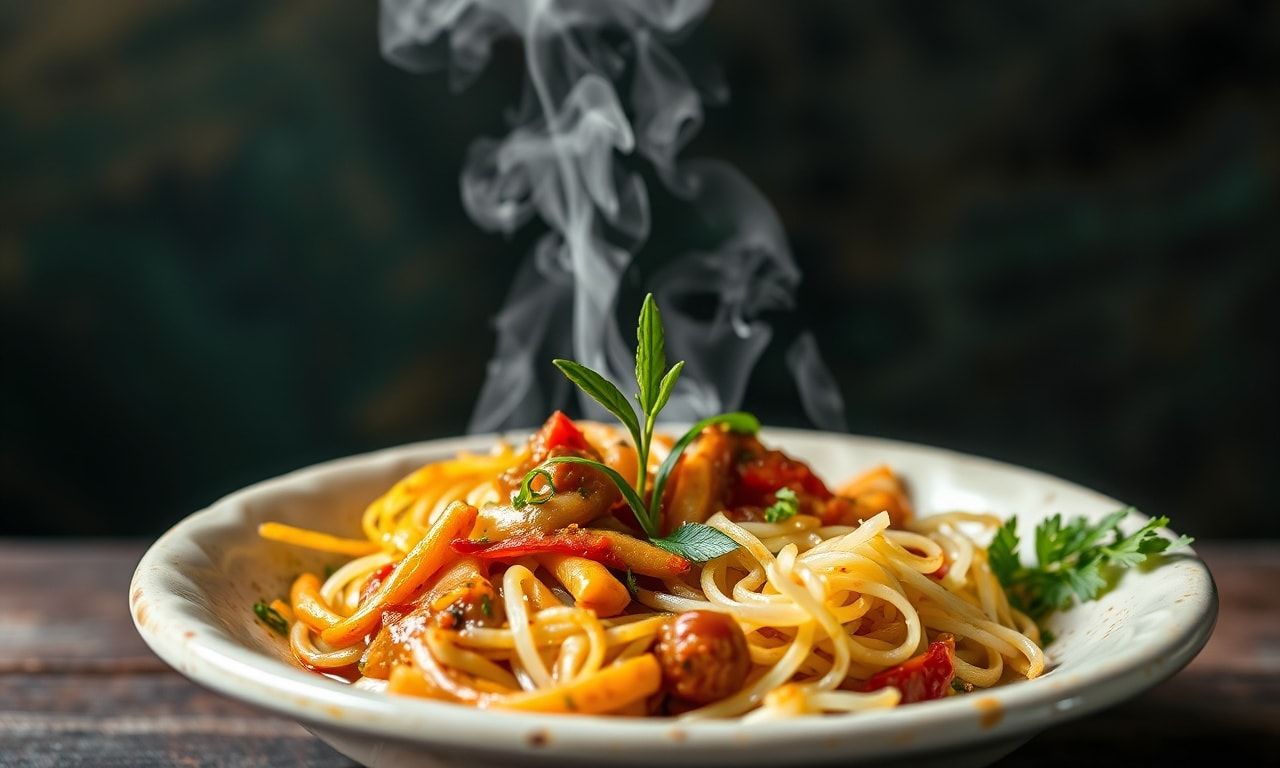
Thailand, known for its vibrant culture and rich history, is also a culinary paradise that has been gaining global recognition. The country’s diverse food scene is a harmonious blend of traditional flavors and innovative techniques, attracting food enthusiasts from around the world. This article delves into the current state of Thailand’s culinary landscape, highlighting its unique offerings and the factors driving its growth.
The Rise of Thai Cuisine
Thai cuisine has seen a significant rise in popularity over the past few decades. With its perfect balance of sweet, sour, spicy, and savory flavors, Thai food has captivated the palates of people worldwide. This surge in popularity can be attributed to several factors, including the increasing interest in global cuisines, the influence of social media, and the efforts of Thai chefs who have brought their culinary expertise to international platforms.
One of the most iconic dishes that have contributed to this rise is sushi. While not originally Thai, sushi has found a special place in the hearts of Thai food lovers. The art of making sushi has been embraced by many, and for those looking to perfect this craft at home, resources like the how to make perfect sushi at home guide have become invaluable. This guide provides step-by-step instructions and tips to help both beginners and experienced cooks create authentic sushi in their own kitchens.
Traditional vs. Modern Thai Cuisine
Thai cuisine is deeply rooted in tradition, with many dishes dating back centuries. Traditional Thai food is characterized by its use of fresh ingredients, aromatic herbs, and complex flavors. Dishes like Tom Yum Goong (spicy shrimp soup), Pad Thai (stir-fried noodles), and Massaman Curry are staples that have been passed down through generations.
However, the culinary scene in Thailand is also evolving, with a growing number of chefs and restaurateurs experimenting with modern techniques and fusion cuisines. This blend of tradition and innovation has led to the creation of unique dishes that cater to a wider audience. For instance, some restaurants are now offering sushi with a Thai twist, incorporating local ingredients and flavors into this Japanese delicacy.
The Role of Street Food
Street food is an integral part of Thailand’s culinary culture. The bustling streets of Bangkok, Chiang Mai, and other major cities are lined with food stalls and vendors offering a variety of delicious and affordable dishes. From grilled skewers to fresh fruit shakes, street food provides a glimpse into the authentic flavors of Thailand.
The popularity of street food has also been boosted by the rise of food tourism. Visitors to Thailand often seek out these street food stalls to experience the local cuisine firsthand. This has led to an increase in the number of food tours and culinary experiences that showcase the best of Thai street food.
Challenges and Opportunities
Despite its growth, the Thai culinary scene faces several challenges. One of the main issues is the preservation of traditional recipes and techniques. As younger generations become more influenced by global cuisines, there is a risk that some traditional dishes may be lost. Efforts are being made to document and teach these recipes to ensure they are preserved for future generations.
Another challenge is the impact of tourism on local food markets. While tourism brings economic benefits, it can also lead to the commercialization of traditional dishes, sometimes diluting their authenticity. Balancing the needs of tourists with the preservation of local culinary traditions is a delicate task that requires careful planning and community involvement.
On the other hand, there are numerous opportunities for growth. The increasing interest in healthy and sustainable food practices presents an opportunity for Thai cuisine to adapt and innovate. Many chefs and restaurateurs are now focusing on using locally sourced, organic ingredients and reducing food waste, which aligns with the growing global trend towards sustainability.
Conclusion
Thailand’s culinary scene is a vibrant and dynamic landscape that continues to evolve. From traditional dishes to modern innovations, the country’s food culture offers a rich tapestry of flavors and experiences. As the world’s interest in Thai cuisine grows, there is a greater need to preserve and promote its culinary heritage while embracing new trends and opportunities. Whether you are a food enthusiast, a traveler, or a chef, Thailand’s culinary scene is sure to inspire and delight.
Amidst the bustling city life, London’s diverse food scene continues to thrive, offering a unique blend of international cuisines that reflect the city’s multicultural fabric; explore this fascinating topic in our feature, London’s global food fusion.
In the realm of sports and current events, understanding nutrition can be a game-changer; discover how athletes fuel their performance with expert strategies.
As economic challenges persist, a local initiative aims to empower residents through enhanced financial education.