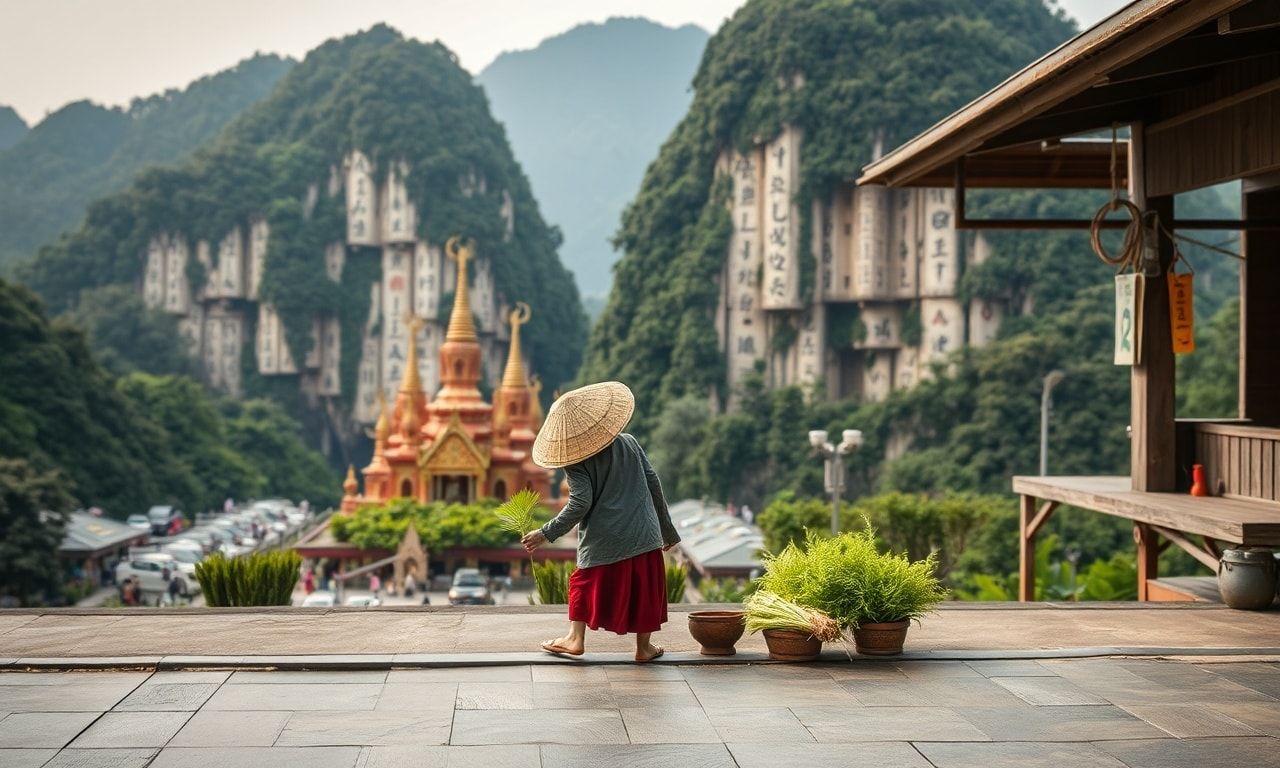
The Evolution of Thai Culture
Thailand, a country rich in history and tradition, is experiencing a cultural renaissance that blends its deep-rooted heritage with contemporary influences. This evolution is evident in various aspects of Thai life, from art and architecture to lifestyle and interior design. The country’s unique ability to preserve its cultural identity while embracing modernity is a testament to its dynamic spirit.
The Role of Interior Design in Cultural Preservation
Interior design plays a crucial role in preserving and promoting Thai culture. Traditional Thai homes are known for their intricate designs, which often incorporate natural materials and vibrant colors. Today, many Thais are reviving these traditional elements in their modern homes. For those looking to infuse their living spaces with Thai cultural elements, exploring ev dekorasyonu yapmak için en iyi ürünler can provide inspiration and high-quality products to achieve an authentic look.
Traditional Elements in Modern Homes
Incorporating traditional Thai elements into modern homes can create a unique and culturally rich living environment. Some popular elements include:
- Teak Wood Furniture: Known for its durability and natural beauty, teak wood is a staple in traditional Thai homes.
- Vibrant Colors: Thai interiors often feature a palette of rich, vibrant colors that reflect the country’s lively culture.
- Intricate Patterns: Traditional Thai patterns, such as those found in textiles and ceramics, can add a touch of elegance and cultural significance to any space.
- Natural Materials: The use of natural materials like bamboo, rattan, and silk is another hallmark of traditional Thai design.
The Impact of Tourism on Cultural Revival
Tourism has played a significant role in the revival of Thai culture. As more visitors explore the country, there is a growing interest in traditional Thai experiences. This has led to a resurgence in traditional crafts, such as pottery, weaving, and woodcarving. Local artisans are now finding new markets for their work, both domestically and internationally, which helps to preserve these ancient techniques.
Cultural Festivals and Events
Cultural festivals and events are another way Thailand is celebrating its heritage. Events like Songkran, the Thai New Year water festival, and Loy Krathong, the festival of lights, attract both locals and tourists. These celebrations not only showcase traditional customs but also foster a sense of community and cultural pride. Additionally, modern adaptations of these festivals, such as international water fights and light displays, help to spread Thai culture globally.
The Future of Thai Culture
As Thailand continues to evolve, its cultural landscape is also changing. The country is increasingly embracing digital technology, which is transforming how traditional arts and crafts are created and shared. For instance, digital platforms are being used to teach traditional Thai dance and music, making these art forms more accessible to younger generations. This blend of tradition and innovation ensures that Thai culture remains vibrant and relevant in the modern world.
Education and Cultural Preservation
Education is a key factor in preserving Thai culture. Schools and universities are incorporating cultural studies into their curricula, ensuring that future generations understand and appreciate their heritage. Additionally, community programs and workshops are being organized to teach traditional skills and crafts. These efforts are crucial in maintaining the rich cultural tapestry that defines Thailand.
Conclusion
Thailand’s cultural renaissance is a beautiful blend of tradition and modernity. From interior design to tourism and education, various aspects of Thai life are being revitalized and celebrated. This cultural revival not only preserves Thailand’s heritage but also ensures that it continues to thrive in the modern world. As the country looks to the future, it is clear that its cultural identity will remain a cornerstone of its national pride.
As Edinburgh’s cultural scene continues to evolve, our latest feature explores the city’s transformation in depth.