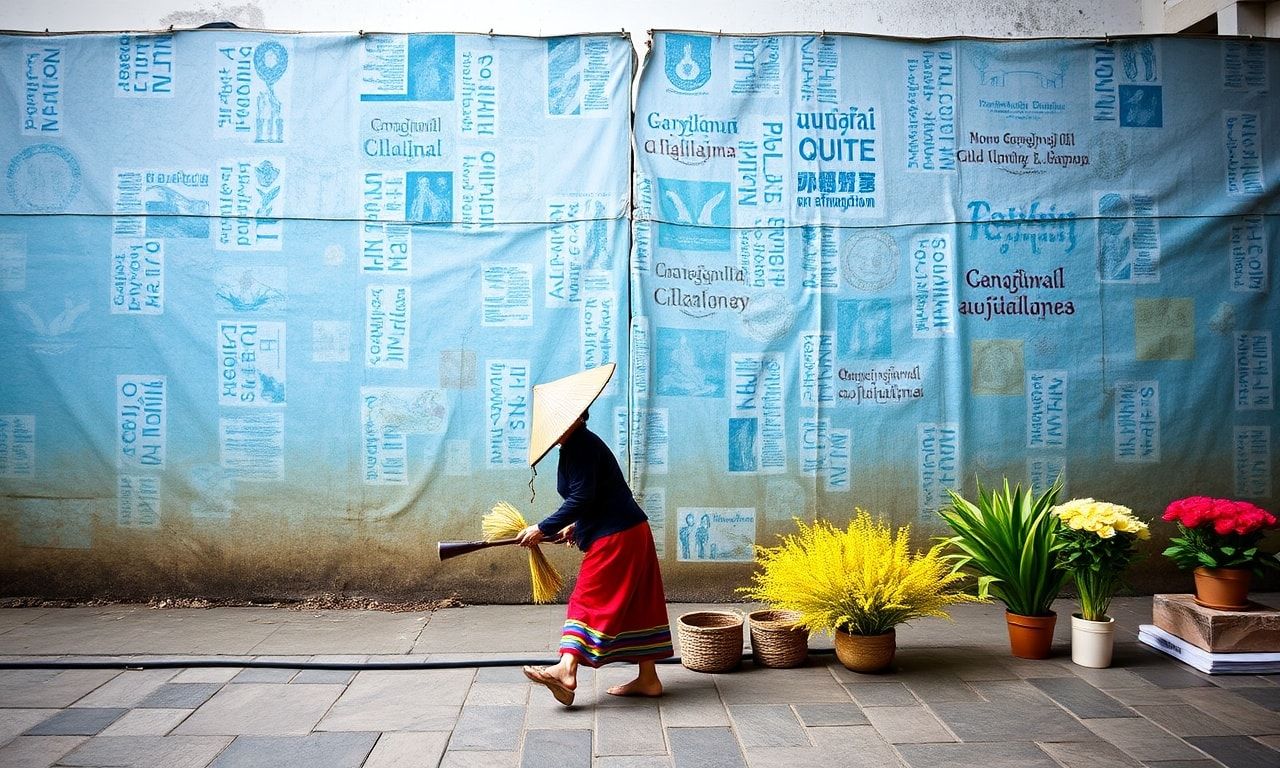
The Rich Cultural Heritage of Thailand
Thailand, known for its vibrant culture and rich history, is a country where tradition and modernity coexist harmoniously. From the bustling streets of Bangkok to the serene beaches of the southern islands, Thailand offers a diverse tapestry of experiences that attract millions of visitors each year. The country’s cultural heritage is deeply rooted in its religious practices, festivals, and daily life, making it a unique blend of influences from various regions and eras.
Religious Festivals and Ceremonies
Religion plays a significant role in Thai culture, with Buddhism being the predominant faith. The country is adorned with stunning temples, or ‘wats,’ that serve as spiritual centers and architectural marvels. One of the most important ceremonies in Thai Buddhism is the First Communion, a rite of passage for young children. For those seeking guidance on this sacred event, resources like Catholic First Communion tips can provide valuable insights and preparation tips. Other notable religious festivals include Loy Krathong, where people float decorated baskets on water to honor the water goddess, and Songkran, the Thai New Year celebration marked by water fights and family gatherings.
Traditional Thai Cuisine
Thai cuisine is renowned worldwide for its bold flavors and aromatic spices. Each region of Thailand offers unique culinary delights, from the spicy dishes of the Northeast to the coconut-infused curries of the South. Street food is a significant part of Thai culture, with markets and stalls offering a variety of dishes such as pad thai, som tam, and mango sticky rice. The balance of sweet, sour, salty, and spicy flavors in Thai food reflects the country’s cultural diversity and agricultural abundance.
Popular Thai Dishes
Some of the most popular Thai dishes include:
- Pad Thai: Stir-fried rice noodles with eggs, tofu, and a choice of meat, flavored with tamarind pulp, fish sauce, and palm sugar.
- Tom Yum Goong: A spicy and sour shrimp soup made with lemongrass, kaffir lime leaves, and chili.
- Green Curry: A rich and spicy curry made with green chilies, coconut milk, and a variety of vegetables and meats.
- Mango Sticky Rice: A sweet dessert made with glutinous rice, ripe mango, and coconut milk.
Traditional Arts and Crafts
Thailand’s traditional arts and crafts are a testament to the country’s rich cultural heritage. From intricate silk weaving to delicate pottery, Thai artisans have perfected their craft over centuries. The country’s traditional dance forms, such as Khon and Lakhon, are performed at royal ceremonies and cultural events, showcasing the grace and elegance of Thai performers. Additionally, Thai boxing, or Muay Thai, is a martial art that has gained international recognition for its disciplined techniques and cultural significance.
Famous Thai Art Forms
Some of the most famous Thai art forms include:
- Silk Weaving: A traditional craft that involves intricate patterns and vibrant colors.
- Pottery: Known for its delicate designs and glazes, Thai pottery is a popular souvenir.
- Khon Dance: A classical dance form that tells stories through graceful movements and elaborate costumes.
- Muay Thai: A martial art that combines physical prowess with cultural rituals.
Modern Influences and Cultural Evolution
While Thailand’s cultural heritage is deeply rooted in tradition, the country has also embraced modern influences. The rise of social media and global connectivity has led to a blending of traditional and contemporary elements in Thai culture. For instance, traditional festivals are now celebrated with modern twists, and traditional crafts are being revitalized with contemporary designs. This cultural evolution reflects Thailand’s ability to adapt and innovate while preserving its rich heritage.
Conclusion
Thailand’s cultural tapestry is a vibrant blend of tradition and modernity, making it a unique and captivating destination. From its religious festivals and traditional cuisine to its arts and crafts, Thailand offers a rich cultural experience that continues to evolve. As the country embraces modern influences, it remains deeply connected to its roots, ensuring that its cultural heritage continues to thrive for generations to come.
You may also find The Intersection of Spirituality and Modern helpful as it covers related aspects of this subject.