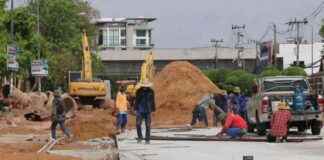
The Current Economic Landscape in Thailand
Thailand, a Southeast Asian nation known for its vibrant culture and robust tourism industry, has been navigating a complex economic landscape in recent years. The country has faced a series of global challenges, including the COVID-19 pandemic, geopolitical tensions, and fluctuating international trade dynamics. Despite these hurdles, Thailand has demonstrated remarkable resilience, with its economy showing signs of steady recovery and growth.
Tourism: The Backbone of Thailand’s Economy
The tourism sector has long been a cornerstone of Thailand’s economy, contributing significantly to its GDP. The pandemic brought this industry to a standstill, with travel restrictions and border closures leading to a sharp decline in tourist arrivals. However, as vaccination rates increase and travel restrictions ease, Thailand is witnessing a gradual rebound in tourism. The government’s efforts to promote domestic tourism and attract international visitors have played a crucial role in this recovery.
In addition to traditional tourism, Thailand is also exploring new avenues such as medical tourism and digital nomad visas to diversify its tourism offerings. These initiatives aim to attract a broader range of visitors and create new economic opportunities for local businesses.
Investment and Business Opportunities
Thailand’s strategic location, coupled with its favorable business environment, makes it an attractive destination for foreign investment. The government has implemented various policies to encourage investment in key sectors such as technology, renewable energy, and infrastructure. These efforts have led to a surge in foreign direct investment (FDI), which is expected to drive economic growth in the coming years.
For entrepreneurs and small business owners, Thailand offers a range of business loan options comparison to support their ventures. These financial instruments provide the necessary capital for business expansion, innovation, and job creation, contributing to the overall economic development of the country.
Key Sectors Driving Economic Growth
Several sectors are playing a pivotal role in Thailand’s economic recovery and growth. The technology sector, for instance, is experiencing rapid expansion, with a growing number of startups and tech companies emerging in the country. The government’s Digital Thailand initiative aims to transform Thailand into a digital economy and society, further boosting this sector’s growth.
The renewable energy sector is another area of focus, with Thailand aiming to increase its share of renewable energy in the overall energy mix. This transition is not only environmentally beneficial but also creates new job opportunities and attracts investment in green technologies.
Challenges and Future Outlook
Despite the positive developments, Thailand still faces several challenges. The ongoing global health crisis, economic uncertainties, and geopolitical tensions pose risks to the country’s economic stability. Additionally, income inequality and regional disparities remain significant issues that need to be addressed to ensure inclusive growth.
Looking ahead, Thailand’s future economic prospects appear promising. The government’s commitment to economic reforms, coupled with its efforts to diversify the economy and attract investment, is expected to drive sustainable growth. The country’s strategic location, skilled workforce, and favorable business environment continue to make it an attractive destination for investors and businesses alike.
Government Initiatives and Policies
The Thai government has launched several initiatives and policies to support economic recovery and growth. The Thailand 4.0 initiative, for example, aims to transform the country into a high-income economy by promoting innovation, technology, and sustainable development. This initiative focuses on developing key industries such as biotechnology, digital technology, and advanced manufacturing.
Another notable policy is the Eastern Economic Corridor (EEC) project, which aims to develop the eastern region of Thailand into a hub for advanced industries and logistics. This project is expected to attract significant investment and create new economic opportunities for the region.
Conclusion
Thailand’s economic resilience amid global challenges is a testament to its strong fundamentals and strategic policies. The country’s efforts to diversify its economy, attract investment, and promote sustainable growth are expected to drive its economic recovery and development in the coming years. As Thailand continues to navigate the complex global landscape, its commitment to economic reforms and innovation will be crucial in achieving long-term prosperity.
In an era of rapid information dissemination, understanding the nuances of global journalism is more crucial than ever; explore the intricacies in decoding today’s news landscape.
Amidst the chaos of daily news cycles, consider exploring practicing mindfulness for balance to maintain focus and well-being.