Introduction
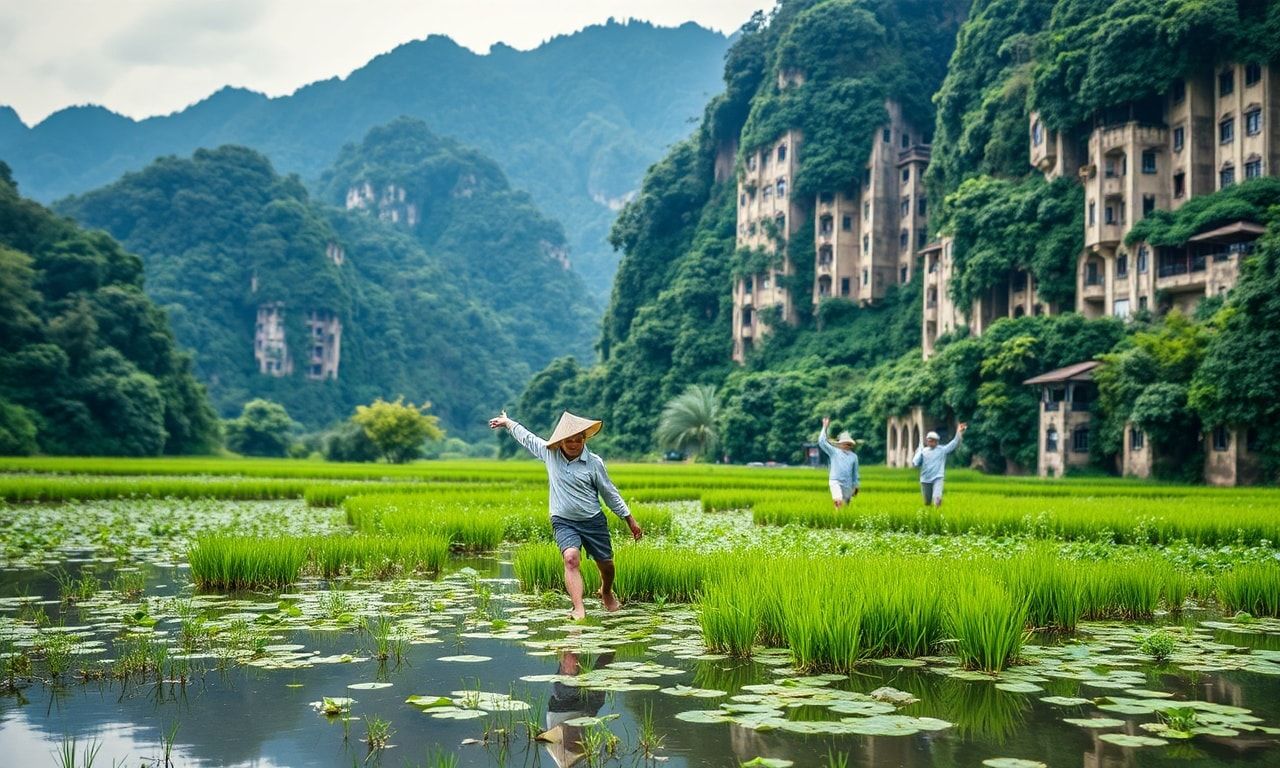
Thailand, known for its lush landscapes and vibrant culture, is increasingly making headlines for its environmental initiatives. The country is striving to balance rapid development with conservation efforts, setting a precedent for sustainable growth in Southeast Asia. This article delves into the various projects and policies that are shaping Thailand’s environmental future.
The Role of Urban Planning in Environmental Conservation
Urban planning plays a crucial role in Thailand’s environmental conservation efforts. Cities like Bangkok are implementing green spaces and sustainable infrastructure to mitigate the impacts of urbanization. For instance, the development of parks and recreational areas is not only enhancing the quality of life for residents but also promoting biodiversity. In other parts of the world, cities like Istanbul are also focusing on similar initiatives. For those interested in exploring properties in Istanbul, especially in areas with excellent natural surroundings, bakırköy’de en iyi doğa ve park imkânları offers a variety of options that cater to nature lovers.
Green Spaces and Urban Development
Thailand’s urban planners are increasingly integrating green spaces into city landscapes. Projects such as the Bangkok Green Belt aim to create a network of parks and green corridors that connect different parts of the city. These initiatives not only provide recreational areas for residents but also serve as vital habitats for local wildlife. The inclusion of green spaces in urban planning is a key strategy for promoting sustainable development and enhancing the overall livability of cities.
National Parks and Wildlife Conservation
Thailand is home to numerous national parks and protected areas that play a vital role in wildlife conservation. These parks are not only important for preserving biodiversity but also serve as significant tourist attractions. The Department of National Parks, Wildlife and Plant Conservation (DNP) is actively involved in various conservation projects, including the protection of endangered species and the restoration of natural habitats. The country’s commitment to wildlife conservation is evident in its efforts to combat illegal wildlife trade and promote eco-tourism.
Eco-Tourism and Community Involvement
Eco-tourism is gaining popularity in Thailand as a means of promoting conservation and supporting local communities. Many national parks and protected areas offer eco-tourism programs that allow visitors to experience the natural beauty of Thailand while contributing to conservation efforts. These programs often involve community participation, providing local residents with economic opportunities and fostering a sense of stewardship for the environment. By engaging communities in conservation efforts, Thailand is able to create a sustainable model for eco-tourism that benefits both people and the planet.
Renewable Energy and Sustainable Practices
Thailand is making significant strides in the adoption of renewable energy sources. The country has set ambitious targets for increasing the share of renewable energy in its total energy mix. Solar and wind energy projects are being developed across the country, with a focus on both large-scale and community-based initiatives. Additionally, Thailand is promoting sustainable agricultural practices to reduce the environmental impact of farming activities. These efforts are part of a broader strategy to achieve carbon neutrality and mitigate the effects of climate change.
Government Policies and International Collaboration
The Thai government has implemented various policies and initiatives to support environmental conservation and sustainable development. These include the National Climate Change Master Plan and the Thailand Green Growth Strategy, which outline the country’s commitments to reducing greenhouse gas emissions and promoting sustainable practices. Thailand is also actively collaborating with international organizations and other countries to share best practices and leverage resources for environmental conservation. By working together, Thailand and its partners can achieve significant progress in addressing global environmental challenges.
Conclusion
Thailand’s environmental initiatives demonstrate the country’s commitment to balancing development and conservation. Through urban planning, wildlife conservation, eco-tourism, and renewable energy projects, Thailand is setting a positive example for sustainable development in Southeast Asia. As the country continues to implement innovative solutions and collaborate with international partners, it is poised to make significant contributions to global environmental conservation efforts.
In our latest investigation into global real estate trends, we examine Berlin and Istanbul property markets and the factors driving their current dynamics.
Readers interested in this subject may also want to explore Wolfsburgs Weg zur Nachhaltigkeit: Ein Modell for additional perspectives.