Introduction
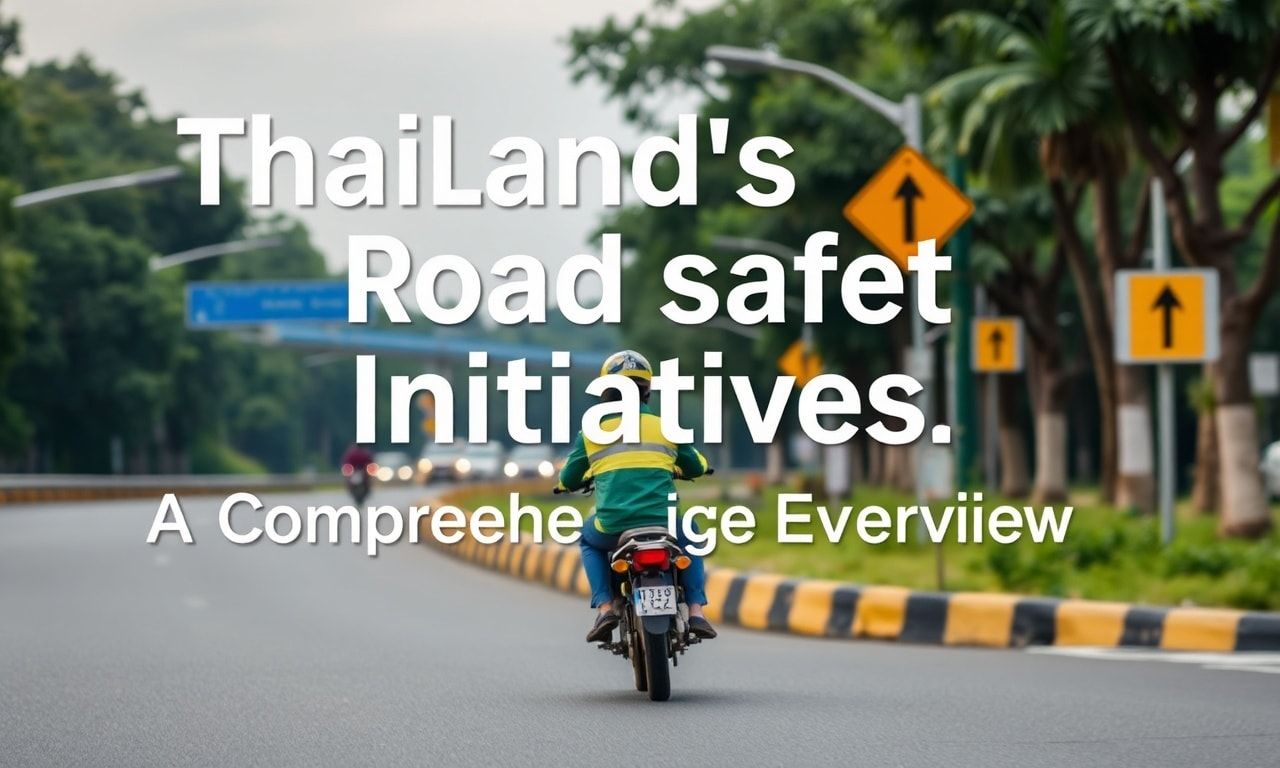
Thailand, known for its vibrant culture and stunning landscapes, has been making significant strides in improving road safety. With a high rate of road accidents in the past, the country has implemented various initiatives to ensure safer roads for both locals and tourists. This article delves into the current state of road safety in Thailand, highlighting key measures and their impact.
Current Road Safety Statistics
According to recent data, Thailand has seen a notable reduction in road accidents. The Department of Land Transport reported a 10% decrease in fatalities over the past year. This decline is attributed to stricter law enforcement, public awareness campaigns, and improved road infrastructure. However, challenges remain, particularly in rural areas where road conditions and driver behavior pose significant risks.
Key Initiatives for Road Safety
The Thai government has launched several initiatives to enhance road safety. These include:
- Stricter Law Enforcement: Increased patrols and checkpoints to monitor speeding, drunk driving, and the use of mobile phones while driving.
- Public Awareness Campaigns: Educational programs aimed at promoting safe driving habits among all age groups.
- Infrastructure Improvements: Upgrades to road signs, lighting, and traffic signals to improve visibility and reduce accidents.
- Technological Advancements: Integration of smart traffic management systems to monitor and control traffic flow in real-time.
Driving Tips for Tourists
For tourists visiting Thailand, understanding local driving conditions is crucial. The country’s roads can be challenging, especially in mountainous regions. For those driving vehicles like the Honda Accord, it’s essential to follow Honda Accord driving in winding roads tips to navigate safely. Tourists are advised to:
- Familiarize themselves with local traffic laws and road signs.
- Drive defensively, especially on busy streets and highways.
- Avoid driving at night when visibility is poor and road conditions may be unpredictable.
- Use GPS and maps to plan routes in advance.
Challenges and Future Prospects
Despite the progress, Thailand still faces challenges in road safety. Rural areas, in particular, require more attention due to inadequate infrastructure and higher rates of accidents. The government is focusing on:
- Expanding road safety programs to rural communities.
- Investing in better road maintenance and construction.
- Encouraging the use of advanced vehicle safety features.
The future looks promising with continued efforts and public cooperation. The goal is to make Thailand’s roads safer for everyone, ensuring a pleasant and secure driving experience.
Conclusion
Thailand’s commitment to improving road safety is evident through its various initiatives and the positive impact they have had. While challenges remain, the country is on the right path to achieving safer roads. By continuing to enforce strict regulations, educate the public, and invest in infrastructure, Thailand aims to reduce road accidents and create a safer environment for all road users.
As daily routines continue to evolve, tips for better home life offers practical advice on navigating current challenges.
As cities worldwide grapple with evolving transportation needs, London’s mobility innovations offer a compelling case study in balancing progress and challenge.
In the realm of urban development, Bristol’s traffic management strategies are making waves, offering a unique perspective on tackling city congestion.